The Reality of the Solana Memecoin Market
Solana has become the primary venue for speculative crypto activity, but the landscape has shifted from wild west chaos to a structured, albeit brutal, data-driven discipline. Memecoins now account for approximately 30% of Solana DEX trading volume, a significant drop from the 60% peak seen earlier in the year. This decline doesn't signal a lack of interest; it reflects a maturation of the ecosystem where volume is increasingly concentrated among established tokens rather than diluted across thousands of failing experiments.
The infrastructure supporting this market, particularly platforms like Pump.fun, has accelerated the churn rate. With over 12.8 million tokens launched on Pump.fun alone, the barrier to entry is virtually nonexistent. This abundance creates a filter problem: for every token that gains traction, thousands vanish within hours. Treating this as a gambling game is a fast track to losses. Successful participants treat solana memecoin degen market research as a systematic process, analyzing liquidity depth, holder distribution, and social sentiment before committing capital.
Understanding the broader ecosystem health is essential context for any market analysis. The performance of the underlying SOL token often correlates with the liquidity available for smaller cap assets. When SOL is stable or trending upward, speculative capital flows more freely into the memecoin sector. Conversely, during periods of consolidation, volume dries up, and the risk of rug pulls or liquidity traps increases significantly.
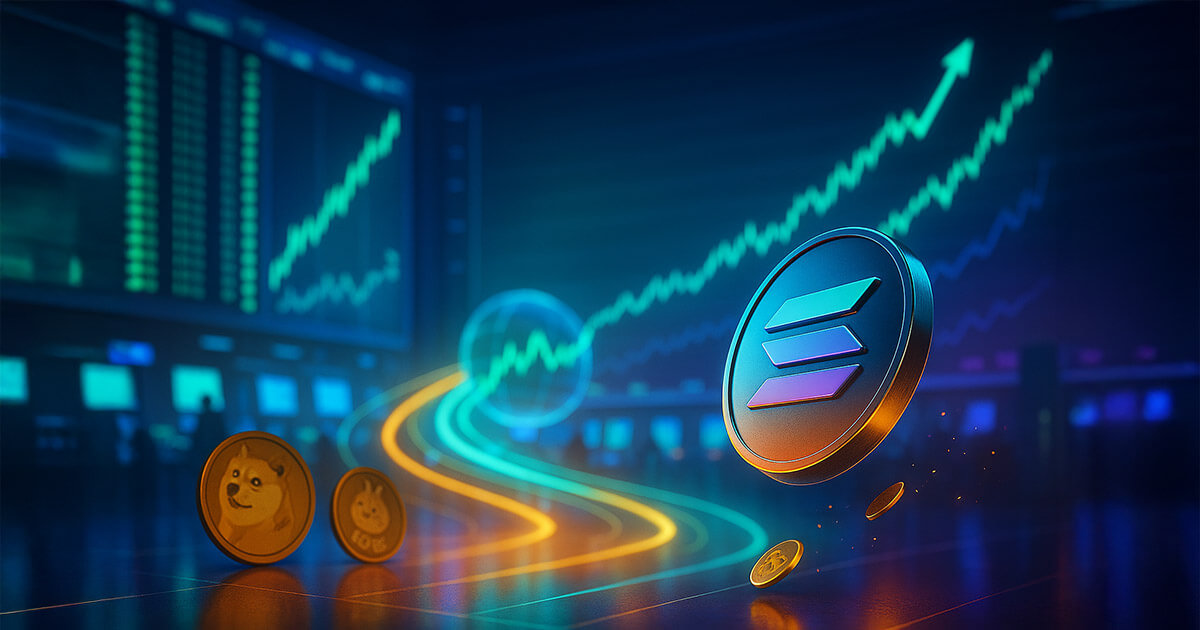
To gauge the current state of the market, it is helpful to look at the price action of the base asset. The chart below illustrates the recent volatility and trend direction of SOL/USD, which serves as a leading indicator for speculative sentiment on the network.
Tracking the data jungle
Solana moves at a speed that leaves traditional charts in the dust. To operate in this environment, you need a specific stack of on-chain intelligence. Relying on a single source is a fast track to getting front-run or buying the top. The infrastructure for degen market research rests on three pillars: discovery, verification, and flow tracking.
DexScreener and Birdeye: The Discovery Layer
DexScreener and Birdeye are your eyes for new liquidity. Solana launches tens of thousands of tokens daily, making manual searching impossible. You use these platforms to filter for volume spikes, liquidity depth, and holder distribution. They provide the raw signals that tell you which memecoin is gaining traction before it hits centralized exchanges.
DexScreener excels at real-time price action and charting, while Birdeye offers deeper insights into token metadata and holder concentration. Cross-referencing these two ensures you aren't looking at a single platform's manipulated data. If a token shows a volume spike on DexScreener but lacks Birdeye's holder verification, it's likely a honeypot or low-liquidity trap.

Arkham: The Flow Tracker
While DexScreener shows you the price, Arkham shows you the intent. This platform visualizes on-chain transactions, linking wallet addresses to known entities like venture funds, insiders, or market makers. In the Solana memecoin space, knowing who is buying is just as important as the price itself.
Arkham allows you to trace the flow of funds. If you see a large amount of SOL moving from a known insider wallet to a new memecoin contract, it’s a strong signal. Conversely, if a project's treasury wallet starts distributing tokens to multiple exchanges, it might signal an impending sell-off. This layer of intelligence separates informed speculation from blind gambling.
Spotting manipulation signals
Solana memecoin market research reveals a high-stakes environment where legitimate community-driven tokens often get drowned out by coordinated manipulation. With memecoins accounting for roughly 30% of Solana DEX trading volume, the incentive for bad actors to fabricate demand is substantial. Degen traders must distinguish between organic momentum and engineered pumps to avoid becoming exit liquidity.
One of the most prevalent red flags is the "pump and dump" cycle orchestrated through coordinated social media channels. Research indicates that a significant majority of new tokens on launchpads like Pump.fun are created with the sole intent of a quick liquidity grab. Look for tokens that exhibit massive volume spikes within minutes of launch but lack any sustained holder growth or community engagement. If the chart looks like a vertical line up followed immediately by a flatline down, it is likely a bot-driven liquidity injection rather than genuine market interest.
Another critical signal is the presence of "wash trading" or self-dealing. This occurs when the same entity controls multiple wallets to create the illusion of active trading. On-chain analysis tools can help identify if a small percentage of wallets control the majority of the supply or if there are frequent trades between addresses linked to the same entity. Be wary of tokens where the holder distribution is highly concentrated among a few "whale" wallets that have no public social presence or verifiable identity.
Finally, pay attention to the token's social signals. Legitimate projects often have transparent teams, clear roadmaps, and active, organic community discussions. Manipulated tokens, however, often rely on paid influencers, repetitive comments, and vague promises. Galaxy Digital’s research on the memecoin ecosystem highlights that while culture plays a role, infrastructure and transparency are the true differentiators between a lasting asset and a fleeting pump. Use tools like Solscan or DEXscreener to verify wallet activity and holder distribution before committing capital.
Comparing top performing assets
To understand what success looks like in the current Solana memecoin cycle, we need to look at the heavy hitters. The market is split between established blue-chips that act as market movers and newer narratives that capture speculative heat. By comparing these archetypes, we can see how capital flows from established liquidity to emerging trends.
The top tier is dominated by coins like BONK, WIF, and POPCAT. These aren't just memes; they are liquidity anchors. Their 24-hour volumes often rival mid-cap altcoins, providing the depth needed for large degen trades. When these assets move, the entire Solana ecosystem feels the pressure. They offer a balance of volatility and stability that newer, lower-cap coins simply cannot match.
| Metric | BONK (Established) | WIF (Narrative) | POPCAT (Meme) |
|---|---|---|---|
| Market Cap Tier | High ($1B+) | Mid-High ($500M-$1B) | Mid ($100M-$500M) |
| 24h Volume | High ($50M+) | High ($30M-$50M) | Moderate ($10M-$30M) |
| Holder Concentration | Distributed | Moderate | Distributed |
| Primary Driver | Ecosystem Utility | Community Meme | Pure Meme |
While the big names provide stability, the real alpha often hides in the mid-cap swing. Coins like Chill House, Goatseus Maximus, and War are currently showing strong momentum, with recent 24-hour gains ranging from 8% to 14%. These assets lack the institutional liquidity of BONK but offer higher beta exposure to Solana's retail frenzy.
Understanding the difference between these tiers is critical for solana memecoins degen market research. Established coins are your portfolio's bedrock, while the newer narratives are your speculative plays. Watching how volume shifts between these groups can signal whether the market is risk-on or risk-off before the price action even reflects it.
Build a risk-managed strategy
Trading Solana memecoins requires treating your portfolio like a venture capital fund, not a casino. The market is volatile, and survival depends on strict position sizing, clear exit rules, and emotional discipline. Without a predefined strategy, even a lucky entry can turn into a permanent loss when the next rug pull or liquidity drain occurs.
Never allocate more than 1-2% of your total trading capital to a single memecoin launch. These assets have a high failure rate, and treating each trade as a binary outcome protects your overall balance. If you have $1,000 to trade, your max entry should be $10-$20. This allows you to survive a string of losses without blowing up your account.
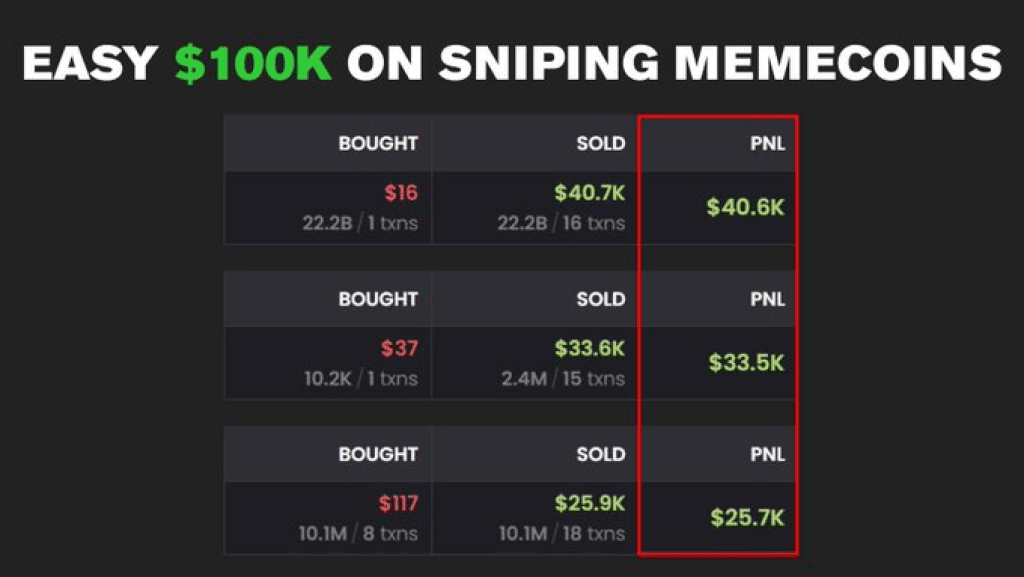
Sell 50% of your position as soon as the token doubles in value (2x). This practice, often called "getting your main off," ensures that the remaining tokens are essentially free. By locking in your initial capital, you remove the emotional pressure of watching a green candle turn red. You are now playing with house money, which allows for more rational decision-making on the remainder.
Memecoins can drop 90% in minutes. Define your maximum acceptable loss (e.g., -50%) and execute it immediately if hit. Do not "hope" for a rebound. In the solana memecoins degen market research landscape, hope is a liability. Use limit sell orders to automate exits, ensuring you don't freeze during high-volatility events.
Before every trade, verify that liquidity is locked or burned. Check the holder distribution to ensure no single wallet holds more than 5-10% of the supply. Use tools like DexScreener or Dextools to monitor real-time volume and social sentiment. If the community is silent or the chart shows only sell pressure, exit immediately.
Avoid revenge trading after a loss. If you miss a pump, do not chase it at the top. Stick to your predefined strategy and wait for the next high-probability setup. Emotional trading is the primary reason degen traders lose money over time. Keep a journal of your trades to identify patterns in your behavior.
No comments yet. Be the first to share your thoughts!