The Solana memecoin infrastructure
Trading Solana memecoins has shifted from simple manual swaps to a high-speed environment dominated by bot-assisted execution. The underlying infrastructure now dictates who profits and who gets front-run. Understanding the mechanics of these tools is the first step in navigating this volatile ecosystem.
The baseline for any analysis is the health of the Solana network itself. When SOL experiences high volatility or congestion, memecoin liquidity often dries up or becomes erratic. Monitoring the baseline market health helps determine if the environment is suitable for trading or if you should stay on the sidelines.
Most trading happens on decentralized exchanges (DEXs) like Raydium or Pump.fun’s native interface. While these platforms offer low fees and speed, they lack the safety nets of centralized exchanges. This means you are directly responsible for verifying contract authenticity and managing slippage.
As the ecosystem evolves, the gap between manual traders and those using sophisticated bots continues to widen. Recognizing this structural shift is critical; it is no longer just about finding the right token, but about understanding the technological layer that facilitates the trade.
Essential tools for discovery
Finding a Solana memecoin before it pumps requires speed and raw data access. You cannot rely on centralized exchanges or basic portfolio trackers; you need on-chain intelligence. The difference between catching a 100x and holding a rug pull often comes down to which tools you use to scan the blockchain in real-time.
Real-time charting and screening
DexScreener is the industry standard for tracking new Solana pairs. It updates faster than most other aggregators, showing you liquidity changes and trade volume as they happen. While DexTools is a viable alternative, DexScreener’s interface is generally preferred by degens for its speed and free tier accessibility. Use it to filter by chain (Solana) and sort by "New Pairs" to see tokens that launched minutes ago. Look for pairs with locked liquidity and a healthy market cap relative to the liquidity pool size.
Execution speed
Once you find a token, manual swapping on Jupiter or Raydium is often too slow. You need a trading bot to execute transactions faster than the block time allows. Trojan Bot (formerly Trojan Sniper) and Photon are the top choices. These bots connect to your wallet and allow you to set slippage tolerance, auto-buy, and snipe new listings with a single click. They interact directly with the Solana mempool, giving you a significant latency advantage over manual traders.
Risk warning
These tools are powerful but dangerous. They facilitate high-frequency trading where emotional decisions lead to rapid losses. Always start with small amounts to test the bot’s execution speed and slippage settings. Never connect your main storage wallet to a bot; use a dedicated "burner" wallet with only the funds you are willing to lose.
Tool comparison
| Feature | DexScreener | Trojan Bot | Photon |
|---|---|---|---|
| Primary Use | Data visualization & screening | Automated execution & sniping | Real-time charting & trading |
| Speed | High (data feed) | Very High (mempool access) | High (UI/UX focus) |
| Cost | Free | Free / Paid tiers | Free / Paid tiers |
| Best For | Finding new pairs | Sniping launches | Analyzing price action |
Choose DexScreener for discovery, then switch to your chosen bot for execution. Combining these tools creates a workflow that minimizes lag and maximizes your ability to react to market movements.
Research methods for alpha
Most traders lose money because they trade headlines instead of data. On Solana, memecoins move too fast for basic chart patterns to matter. You need to see the plumbing before the price spikes. This means looking at wallet activity, liquidity depth, and community traction. If you can’t verify the source, you’re gambling.
Track smart money, not influencers
Influencers get paid to shill. Smart money gets paid to profit. Your first step is identifying wallets that consistently buy early and sell high. Tools like Solscan or Birdeye let you track specific addresses. Look for wallets that have participated in successful launches without rug-pulling. If a wallet buys a token, holds for a week, and sells into strength, that’s a signal. If they dump within minutes, ignore them.
Don’t just follow one wallet. Build a list of 5-10 verified profitable traders. When they buy a new, low-liquidity token, that’s your alpha. It’s not a guarantee, but it’s a filter. You’re borrowing their research so you don’t have to do the heavy lifting.
Verify liquidity and contract safety
Before you buy, check the contract. Is ownership renounced? If the developer can still mint tokens or change taxes, you’re sitting on a landmine. Use tools like RugCheck or Solscan’s contract tab to verify these details. Look for locked liquidity. If the liquidity pool isn’t locked, the developer can pull all the funds and vanish. This is the most common rug pull method on Solana.
Warning: Never trust a token just because the chart looks good. Always verify the contract status. A beautiful chart with unlocked liquidity is a trap.
Gauge community sentiment
Hype is fuel, but community is the engine. Check the token’s Telegram and Twitter. Are real people discussing the project, or is it just bots spamming emojis? Look for active engagement. Are people asking questions? Are the devs responding? A dead community means a dead token. A toxic community means a rapid dump.
Use tools like DexScreener to monitor social sentiment. If the social volume is spiking but the price isn’t moving, it might be a trap. If both are rising, it’s a strong signal. But always verify the source of the hype. Is it organic, or is it bought?
Risk management and exits
Memecoins on Solana are PvP. Volume is your friend, but it’s also your trap. The ecosystem moves so fast that a new token launches every few minutes, meaning you are rarely trading against the market—you are trading against snipers, developers, and other degens who are faster than you. If you don’t have a concrete exit strategy before you click "Swap," you are gambling, not trading.
1. Size positions like they’re already gone
Never allocate more than 1-2% of your total portfolio to a single memecoin. In Solana’s PvP environment, liquidity can vanish in seconds. Treat every position as if it will go to zero. If a 100% loss would hurt your ability to trade tomorrow, the position is too big. This isn’t about being conservative; it’s about staying in the game long enough to catch the next winner.
Before you buy, decide the exact amount you are willing to lose. Use a calculator or a simple note in your wallet app. If the token drops 50%, sell half. If it drops 80%, sell the rest. Do not wait for it to come back. In Solana memecoins, "waiting for it back" is how you hold the bag.
2. Take profits in chunks
The biggest mistake new traders make is holding for the moon and getting rekt on the way down. You should never hold a memecoin without taking some money off the table. A common strategy is to sell 25-50% of your position when the token doubles (2x). This recovers your initial investment and leaves you with a "moon bag" that costs you nothing to hold. If it goes to zero, you lost nothing. If it goes to 10x, you still win.
Set limit orders at key resistance levels or use your DEX interface’s partial sell features. Don’t rely on emotion. If you’re up 3x, sell 30%. If you’re up 10x, sell another 30%. Lock in gains. The market doesn’t care about your conviction, only your liquidity.
3. Watch for rug pull signals
Rug pulls are the primary risk in Solana memecoins. A developer can drain liquidity or mint new tokens to dump on your head. Always check the liquidity pool lock status and token mint authority before buying. Use tools like RugCheck.xyz or Solscan to verify that the liquidity is locked and the mint is revoked. If the liquidity isn’t locked, assume it’s a scam. No exceptions.
Run the token address through a contract auditor. Look for red flags: mint authority enabled, freeze authority enabled, or top 10 holders owning more than 20% of the supply. If the dev holds a large percentage of tokens, be prepared for a dump. Safety checks take 30 seconds and save you from losing everything.
4. Know when to cut losses
There is no such thing as a "fair value" in memecoins. If the narrative dies, the price dies. Don’t average down on a losing position. Averaging down in memecoins is like pouring water into a sinking boat. If your thesis is broken—whether it’s a drop in volume, a negative tweet from a key influencer, or a sudden whale sell—exit immediately. Preserve your capital for the next setup.
Set a hard stop-loss at 20-30% below your entry. If the price hits it, sell. Don’t look back. The goal is to survive the day, not to be right about every trade. In Solana memecoins, survival is the only metric that matters over the long term.
5. Secure your wins
Once you’ve taken profits, move them out of your trading wallet and into a secure cold storage solution or a separate hot wallet. Don’t leave large sums in the wallet you use for high-risk trades. If your private key is compromised or you make a mistake on a malicious site, you want to protect your gains. This is the final step in risk management: securing what you’ve earned.
Transfer your realized profits to a hardware wallet or a new, clean wallet with no history of interacting with memecoins. This isolates your gains from the high-risk environment of your trading wallet. It’s a simple habit that prevents catastrophic loss from a single bad interaction.
Hardware Wallet Recommendations
When your portfolio grows beyond a few hundred dollars, keeping assets on an exchange or in a browser extension is a gamble you shouldn't take. Exchange failures, hacks, and phishing attacks are constant threats in the memecoin space. A hardware wallet moves your private keys offline, creating a physical barrier against remote attacks.
For Solana specifically, Ledger and Trezor are the most reliable options. Both support Solana natively, meaning you can sign transactions directly from the device without exposing your seed phrase to your computer. Ledger Live and the Solana mobile wallet app integrate well with Ledger devices, while Trezor Suite works seamlessly with Solana-compatible wallets like Phantom when configured correctly.
Always verify the device manufacturer's website before purchasing. Counterfeit hardware wallets are a real risk, and buying from unauthorized resellers can compromise your security. Once you have your device, write down your recovery phrase on paper and store it in a secure, offline location. Never digitize it.

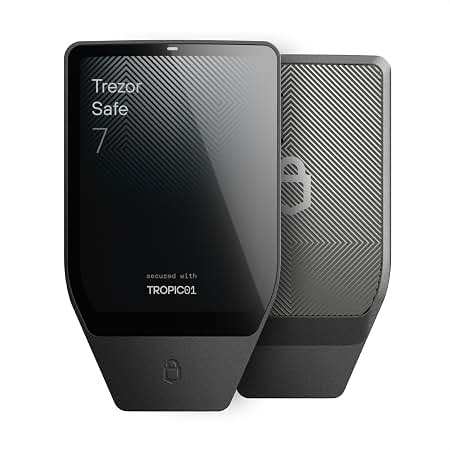
As an Amazon Associate, we may earn from qualifying purchases.
Common Questions About Solana Memecoins
Solana memecoins move fast, and the market is full of noise. Here are direct answers to the most frequent questions from traders.
No comments yet. Be the first to share your thoughts!