The Solana memecoin degen reality
Trading Solana memecoins is not passive investing; it is high-frequency speculation where the house always has the edge. The chain’s speed and low fees create a frictionless environment for both legitimate community projects and predatory scams. To survive, you must treat every trade as a tactical operation rather than a lottery ticket.
Success requires a rigid toolkit. You need a secure wallet like Phantom or Solflare, funded with enough SOL to cover transaction fees without draining your principal. More importantly, you need trading bots like Trojan or BonkBot to execute orders faster than manual swaps allow, and analytics tools like DexScreener to spot volume spikes before they become pump-and-dump schemes. Without these tools, you are already behind.
The emotional cost is the hidden tax. Memecoins can drop 90% in minutes due to a single rug pull or a whale’s sell order. This volatility demands strict position sizing and predefined exit strategies. If you cannot stomach watching a portfolio flash red by 50% before lunch, this space is not for you. Treat it with the caution of a casino, not the optimism of a startup.
Solana memecoin degen choices that change the plan
Trading Solana memecoins is less about investing and more about speed, risk management, and tool selection. The high volatility that creates alpha also guarantees significant capital loss for those who treat it like a traditional market. You are competing against bots, insiders, and other degens who are faster and better equipped.
Before committing capital, you must evaluate the infrastructure you will use. The tradeoff is simple: convenience often comes with higher fees or slower execution, while raw speed requires technical setup and constant vigilance. Below is a breakdown of the core tradeoffs you will face when trading these assets.
| Factor | Low Risk Approach | High Risk / Degen Approach | Estimated Cost |
|---|---|---|---|
| Execution Speed | Manual swaps via Raydium or Jupiter (30-60s delay) | Telegram bots like Trojan or BonkBot (sub-second) | Bot fees: 1-2% per trade |
| Research Tools | DexScreener filters, manual contract checks | Bubble maps, insider tracking, real-time alerts | Premium tools: $20-$100/mo |
| Liquidity Risk | Only trading tokens with >$50k liquidity | Pumping micro-cap tokens (under $10k liquidity) | Potential total loss |
| Security | Hardware wallet, approved token lists | Unlimited approval tokens, burner wallets | Wallet drain risk |
The choice between manual trading and bot usage is the most significant decision you will make. Manual trading on Jupiter or Raydium is safer because you retain control over every transaction, but you will consistently lose to bots that front-run your buys. Bots offer speed but require you to grant spending permissions to third-party smart contracts, introducing counterparty risk.
Another critical tradeoff involves the depth of your research. Using free tools like DexScreener allows you to spot trends early, but it lacks the predictive power of paid analytics. Services that track wallet clusters or insider movements can provide an edge, but they add monthly overhead costs that eat into your profits if you are not consistently profitable. For most traders, starting with free tools and only upgrading when volume justifies the expense is the prudent path.
Finally, consider the security model. High-risk degens often use burner wallets with unlimited approvals to save gas time and avoid transaction rejections. This convenience comes with the constant threat of smart contract exploits or malicious token approvals draining your assets. Low-risk traders who use hardware wallets and strict token filters avoid these exploits but often miss the fastest market moves, accepting lower returns for greater safety.
Choose the next step
The Solana Memecoin Alpha works best as a clear sequence: define the constraint, compare the realistic options, test the tradeoff, and choose the path with the fewest hidden costs. That order keeps the advice usable instead of decorative. After each step, pause long enough to check whether the recommendation still fits the reader's actual situation. If it depends on perfect timing, unusual access, or a best-case budget, include a simpler fallback.
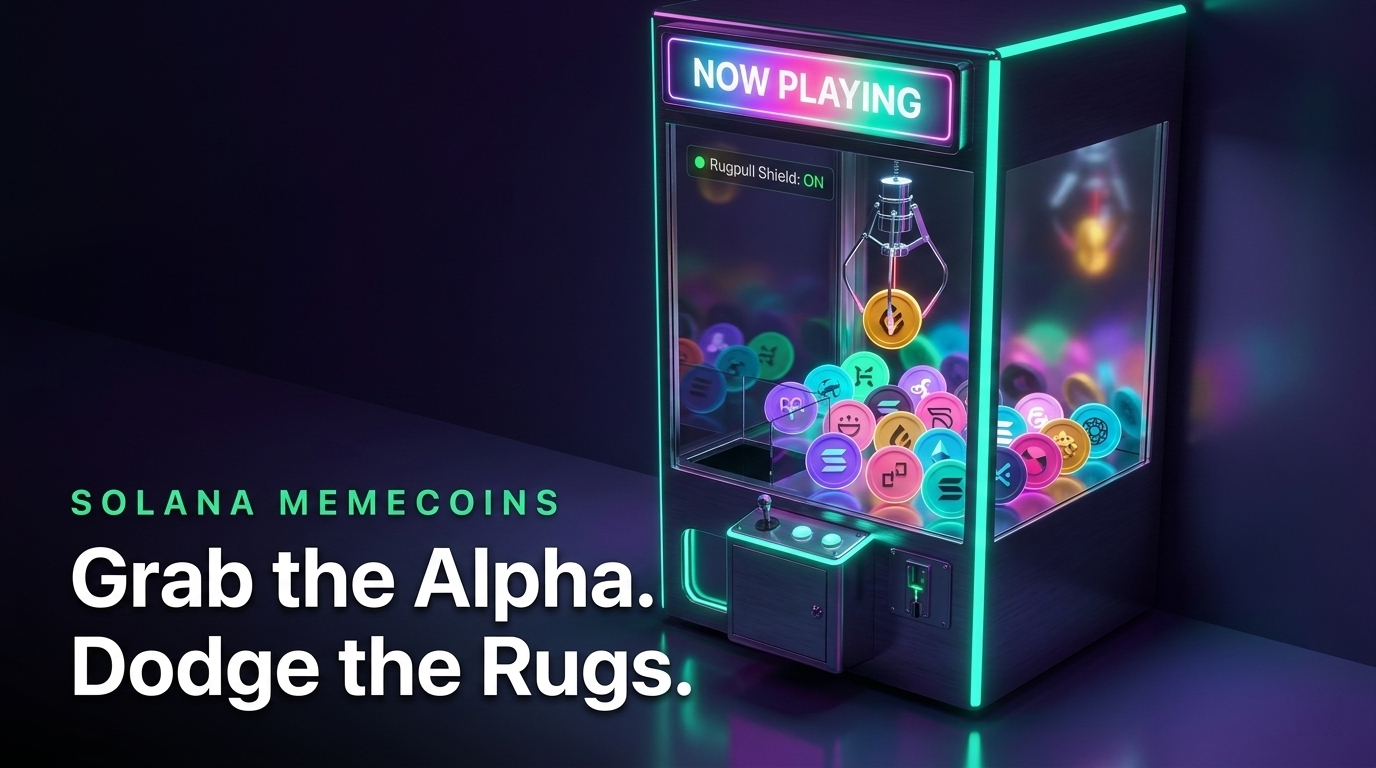
Watch Out for Weak Solana Memecoin Options
Not every Solana memecoin offers a viable path to alpha. Many projects rely on hollow hype rather than functional infrastructure, leaving traders holding devalued tokens. Before committing capital, you must distinguish between genuine community-driven momentum and schemes designed to extract liquidity.
Avoid projects with anonymous teams and unaudited smart contracts. These are the most common sources of rug pulls. Similarly, steer clear of tokens with high tax rates on buys or sells, which artificially inflate perceived value while trapping your funds. Always verify the liquidity pool is locked or burned; otherwise, the creators can drain the pool at any moment.
Be wary of influencers pushing "guaranteed" gains. This is a classic red flag. Legitimate market analysis acknowledges risk. If a source promises returns without explaining the technical setup or exit strategy, treat it as noise. Focus on tokens with transparent development roadmaps and active, verified social channels.
Use tools like DexScreener to track real-time volume and holder distribution. Look for organic growth patterns rather than sudden, unexplained spikes. A healthy project shows steady accumulation by diverse wallets, not just a few large holders controlling the supply.
Solana memecoins degen: what to check next
Trading Solana memecoins is less about long-term holding and more about navigating a high-velocity PvP market. The barrier to entry is low, but the risk of total loss is immediate. Before deploying capital, you need to understand the mechanics of speed, security, and exit strategies that define this ecosystem.
Helpful gear
Use these product recommendations as a starting point, then choose the size, material, and price point that fit how you actually use the gear.

As an Amazon Associate, we may earn from qualifying purchases.
No comments yet. Be the first to share your thoughts!