The Solana memecoin landscape in 2026
Solana has cemented its position as the dominant chain for memecoin trading, a status driven by its high throughput and negligible transaction fees. While Ethereum offers security, the cost and speed of Solana make it the practical choice for the rapid-fire nature of memecoin speculation. In 2026, the ecosystem has matured; the days of simple, unverified launches are giving way to more sophisticated infrastructure where speed is the primary competitive advantage.
The current market context is defined by this efficiency. Traders no longer wait minutes for confirmations; they execute trades in milliseconds. This environment rewards those who understand the tools rather than just the tokens. The barrier to entry remains low—launching a basic token costs roughly 0.3 SOL—but the competition for attention is fiercer than ever. Success now depends on navigating a landscape where liquidity moves instantly and opportunities vanish before a manual refresh can complete.
To participate effectively, you must view Solana not just as a blockchain, but as a high-speed trading venue. The infrastructure has evolved to support complex strategies, from auto-buy bots to advanced limit orders. Understanding this technical foundation is as important as analyzing the meme itself. The tools available today allow for precision that was previously impossible, turning memecoin trading from a game of chance into a test of execution speed and risk management.
Essential tools for market research
Before you commit capital to any Solana memecoin, you need a reliable data stack. Relying on Twitter trends or Telegram hype is a fast track to losing money. Instead, use dedicated on-chain analytics platforms to verify liquidity, check contract safety, and track price action in real-time.
DexScreener and Birdeye: Tracking Price and Liquidity
DexScreener and Birdeye are the industry standards for monitoring Solana token performance. They provide real-time charts, liquidity depth, and holder distribution data that you cannot get from a simple exchange listing. When researching a token, look beyond the 1-minute chart. Check the 4-hour and daily timeframes to see if the price action is sustainable or just a pump-and-dump spike.
Pay close attention to the liquidity pool size. A low liquidity pool means high slippage and the ability for a single holder to crash the price. Use these platforms to identify the top holders; if the top 10 wallets control more than 20-30% of the supply (excluding the liquidity pool itself), the risk of a rug pull or dump is significantly higher.
RugCheck: Verifying Contract Safety
Data tells you what is happening; contract analysis tells you if you are safe. Tools like RugCheck.xyz allow you to paste a token’s contract address and instantly verify its security settings. You are looking for two specific flags: renounced ownership and locked liquidity.
Renounced ownership means the developer can no longer modify the contract, mint new tokens, or freeze trades. Locked liquidity means the developer cannot withdraw the entire pool of funds at once. If a token has high volume but unrenounced ownership and unlocked liquidity, treat it as a high-risk gamble. Always verify these settings before entering a position.
Technical Analysis for Memecoins
While memecoins are driven by sentiment, technical indicators can help identify entry and exit points. Use the TechnicalChart widget below to monitor the price action of major Solana tokens. Watching the broader SOL ecosystem helps you gauge market sentiment; when SOL is strong, altcoin and memecoin activity typically increases.
By combining real-time data from DexScreener, safety checks from RugCheck, and broader market context from SOL’s price action, you build a defensive perimeter around your trades. This approach removes emotion from the equation and replaces it with verifiable data.
Trading infrastructure and execution
Success in the Solana memecoin market relies less on luck and more on having the right technical setup. The speed of the Solana blockchain means manual swaps on standard interfaces are often too slow to catch a launch or exit a dump. You need a stack that prioritizes execution speed, low latency, and precise control over transaction parameters.
Your wallet is the entry point to the market. Phantom and Solflare are the two dominant choices for Solana trading. Phantom offers a polished interface and broad dApp compatibility, while Solflare provides robust security features and deep integration with hardware wallets like Ledger. For memecoin trading, ensure your wallet is configured to prioritize speed. Disable unnecessary confirmations if your security model allows it, and keep your SOL balance sufficient to cover network fees, which can spike during high-traffic periods.
Manual trading is rarely viable for new token launches. Trading bots like BonkBot and Trojan operate through Telegram or browser extensions, allowing you to execute trades in milliseconds. These bots bypass the standard interface delays by interacting directly with the memecoin liquidity pools. Connect your wallet to your chosen bot and verify the connection. Most bots offer a "fast mode" that prioritizes transaction inclusion over standard confirmation steps, which is critical when sniping new pairs.
Slippage tolerance is the most important setting for memecoin trading. Because these tokens can experience massive price swings in seconds, standard slippage settings (0.5-1%) will cause your transactions to fail. Set your slippage between 10% and 20% for initial buys, depending on the token's volatility. For sells, you may need even higher slippage if the liquidity pool is thin. Always pair this with a high priority fee. On Solana, adding a tip to validators ensures your transaction is processed before others, giving you the edge in fast-moving markets.
Execution is only half the battle; you need to see the market as it happens. Use live price widgets and charting tools to track SOL and your target memecoin. A drop in SOL value can impact your buying power, while sudden spikes in a memecoin's price can signal a pump or a rug pull. Integrate these tools into your workflow so you can make split-second decisions based on accurate, real-time data rather than stale information.
| Feature | Phantom | Solflare |
|---|---|---|
| Interface | User-friendly, polished UI | Clean, functional UI |
| Security | Strong, supports Ledger | Advanced, supports Ledger |
| Speed | Fast, reliable | Fast, reliable |
| Best For | General trading & dApps | Security-focused users |
Strategy for navigating volatility
Trading Solana memecoins requires treating volatility as a feature, not a bug. The market moves on sentiment and liquidity flows rather than fundamentals, meaning your strategy must prioritize capital preservation over moonshot chasing. Most traders get rekt not because they picked the wrong coin, but because they failed to manage their position size and exit timing.
Start by defining your risk per trade. Never allocate more than 1-5% of your total portfolio to a single memecoin position. This ensures that a rug pull or a 90% dump doesn't wipe out your account. Use tools like DexScreener to verify liquidity depth before entering; if the liquidity is low, your exit will be just as difficult as your entry.
Set strict take-profit levels. A common mistake is holding for a "100x" that never comes. Consider scaling out: sell 50% of your position when you double your money (2x), then let the remainder ride with a stop-loss at breakeven. This locks in gains while keeping you exposed to upside. Avoid using market orders for large sells, as slippage will eat your profits. Instead, use limit orders on platforms like OKX DEX or set precise parameters in trading bots like BonkBot to execute at your target price.
Finally, protect yourself from common traps. Always check if the mint authority is revoked and if liquidity is locked. If a token allows the creator to freeze transfers or mint infinite supply, it’s a honeypot—stay away. Use a checklist before every trade to verify contract safety, liquidity status, and your exit plan. Discipline beats luck in the memecoin arena.
Hardware Wallets for Secure Storage
When you move beyond small experimental buys, keeping your Solana (SOL) and established memecoins in a hot wallet is a gamble you don't need to take. Hardware wallets store your private keys offline, creating a physical barrier against exchange hacks, phishing sites, and remote malware. For high-stakes holdings, this physical isolation is the only reliable way to ensure that no one can move your funds without your physical consent.
Choosing the right device depends on your comfort with the Solana ecosystem. While Ledger and Trezor are the industry standards, support for Solana on Ledger requires using their proprietary Ledger Live app, which some users find less flexible than Solana-specific interfaces. Trezor models like the Model T offer native Solana support via their web interface, appealing to those who prefer open-source transparency. Always verify that your chosen device has active, up-to-date Solana support before purchasing, as firmware updates can change compatibility.
The image below illustrates the kind of volatile, high-energy environment where secure storage becomes non-negotiable. Your keys are your only shield in this space.
Comparison of Hardware Wallet Options
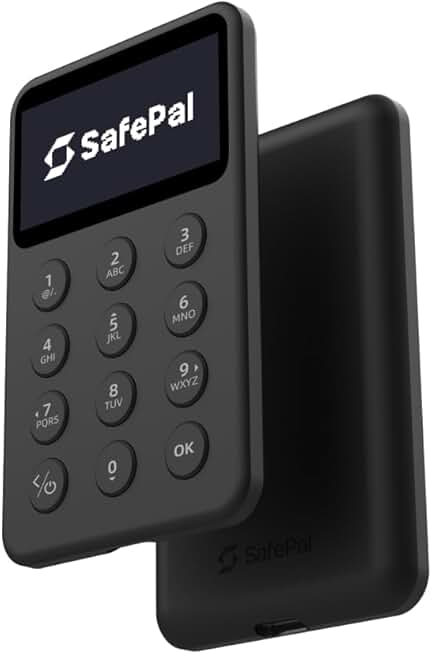
| Feature | Ledger Nano S Plus | Trezor Model T | SafePal S1 |
|---|---|---|---|
| Solana Support | Via Ledger Live | Native (Web & App) | Via SafePal App |
| Display | Small Monochrome | Full Color Touchscreen | Small Monochrome |
| Open Source | No (Firmware) | Yes (Hardware & FW) | No |
| Recovery Phrase | 24 Words | 12/24 Words | 12/24 Words |
Buying Hardware Wallets


As an Amazon Associate, we may earn from qualifying purchases.
Once you receive your device, never buy it from a third-party seller if possible. Set up the device in a clean, offline environment. Write down your recovery phrase on the provided steel or paper backup sheet and store it in a fireproof safe. Never digitize this phrase. For Solana memecoins, ensure you are using the correct Solana token accounts within your wallet interface to avoid sending tokens to the wrong address space.
Frequently asked questions about Solana memecoins
How much Solana do you need to launch a Memecoin? Creating a basic token on Solana costs approximately 0.3 SOL. You can also add social links, images, and revoke authorities (Mint, Freeze, Update) to build investor trust, at 0.1 SOL each.
How to set limit orders on Solana memecoins? Step-by-step guide to placing a limit order on OKX DEX 1Access the OKX Wallet App. Open the OKX Wallet App and connect your Solana-compatible wallet. ... 2Select your trading pair. ... 3Set your limit price. ... 4Adjust slippage and validity. ... 5Review and confirm specifics.
Where to trade memecoins on Solana? Trade Solana meme tokens quickly using BonkBot, connect your wallet, and swap on Radium to buy or sell with fast, secure steps. Master BonkBot wallet settings to trade meme coins on Solana with ease: adjust auto buy, buy/sell limits, slippage, price impact, and security modes for fast or secure transactions.
No comments yet. Be the first to share your thoughts!