Why Solana dominates meme trading
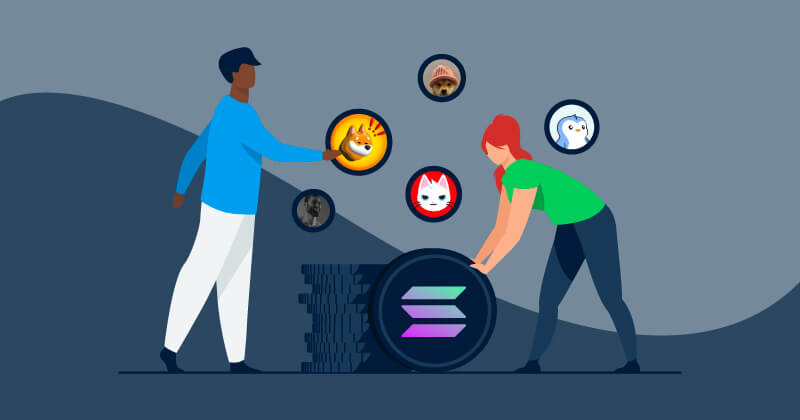
Solana has effectively become the default casino for digital currency speculation, and the numbers don't lie. The network processes transactions in fractions of a second, with fees that rarely exceed a fraction of a cent. This infrastructure eliminates the friction that plagued earlier generations of blockchain meme coins, where gas wars on Ethereum could cost more than the trade itself. For a strategy built on speed and volume, Solana is the only venue that makes sense.
The ecosystem has attracted a massive influx of liquidity specifically for meme assets. Projects like BONK and WIF have demonstrated that Solana can handle high-frequency trading without gridlock. This concentration of activity creates a self-reinforcing cycle: traders go where the volume is, and volume attracts more traders. The result is a market that moves faster than any other major chain.
To understand the baseline health of this ecosystem, it helps to look at the underlying asset. Solana's price action reflects the broader sentiment of its users and developers.
This dominance isn't just about technology; it's about network effects. As more developers deploy meme-friendly tokens and more traders set up wallets, the barrier to entry for new participants drops. However, this speed cuts both ways. The same efficiency that allows for quick profits also enables rapid exits. Understanding this dynamic is the first step in navigating the high-stakes environment of Solana meme coins.
Setting up your degen infrastructure
Manual trading on Solana is a losing game. Memecoins don't just pump; they detonate. New tokens mint every thirty seconds, and liquidity can vanish before your finger leaves the mouse. To survive, you need infrastructure that executes faster than human reaction time.
The Wallet Stack
You need two distinct wallets. One for holding your long-term SOL and major assets. The other is your "burner" for high-frequency meme trading. Never store significant gains in the same wallet used for high-frequency meme trading.
Use Phantom or Solflare for your main vault. For your trading wallet, generate a fresh keypair specifically for this strategy. Keep it funded only with the amount you are willing to lose. This separation limits your exposure to smart contract risks and accidental drainers.
Trading Bots and Snipers
Interfaces like Jupiter or Raydium are too slow for early entries. You need a bot that can bundle transactions, prioritize fees, and execute in the same block as the liquidity add. Tools like Trojan, BonkBot, or Maestro allow you to set slippage tolerance and priority fees directly from Telegram or a web dashboard.
These bots let you front-run manual traders. When a new token launches, a bot can buy in the first few seconds, often securing a better entry price than anyone using a standard DEX interface. The trade-off is complexity; you are trusting a third-party interface with your private key or API permissions.
Essential Tools
You also need real-time data. Solscan is the primary source for on-chain verification. Use it to check if a token's liquidity is locked and if the mint authority is revoked. Without these checks, you are gambling on a rug pull.
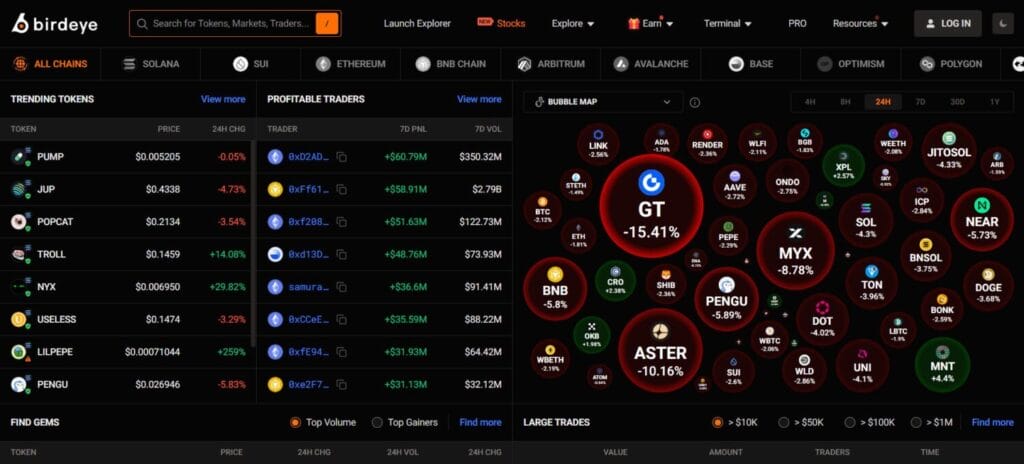
Finally, track your PnL. Solana's volatility means you can turn $100 into $1,000 and back to $10 in minutes. Without a tracking tool, you won't know if you're actually profiting or just riding a wave back down. Set up your bots, secure your wallets, and verify every contract before you click buy.
Tiered entry strategies explained
The Solana meme coin ecosystem rewards speed, but it punishes indecision. Successful traders don't treat every token the same; they categorize plays into three distinct "degen tiers." This framework separates low-cap gambles from established meme plays, helping you manage risk across your portfolio.
Tier 1: The Degen Play (High Risk, High Reward)
This tier consists of newly launched tokens, often with misspelled names or absurd concepts. These are pure gambles with no fundamental value. You are betting on viral momentum before liquidity dries up. The potential for 100x returns is real, but the probability of going to zero is higher. Entry requires immediate action and strict stop-losses.
Tier 2: The Trend Play (Medium Risk, Medium Reward)
Here, you target tokens that have survived the initial launch chaos and established a community. These projects have some traction, active holders, and consistent volume. They offer a balance between upside potential and relative stability. You enter after the initial hype settles but before the major exchange listings.
Tier 3: The Blue Chip Play (Lower Risk, Steady Reward)
These are the established meme coins on Solana, such as BONK or WIF. They have high market caps, deep liquidity, and widespread recognition. While they rarely offer the life-changing gains of Tier 1, they provide a safer entry point for larger capital allocations. These plays are less about gambling and more about riding established market cycles.
| Tier | Risk Level | Potential Return | Entry Strategy |
|---|---|---|---|
| Degen | Extreme | 10x - 100x+ | Immediate launch sniping |
| Trend | High | 2x - 10x | Post-launch community confirmation |
| Blue Chip | Moderate | 1x - 3x | Dip buying on established names |
Understanding these tiers prevents you from treating a stable blue chip like a risky new launch. Adjust your position sizing accordingly, keeping your largest bets in the lower-risk tiers and reserving small amounts for high-stakes speculation.
Analyze charts and liquidity before you buy
You are not buying a company; you are buying a liquidity pool. The moment you connect your wallet, you are stepping into a arena where rug pulls are common and exit liquidity is often an illusion. Your job is to verify that the pool is deep enough to support your position and that the token distribution doesn't hand a single wallet the power to crash the chart.
Start with the chart. A healthy memecoin doesn't just go up; it shows consistent volume relative to its market cap. If the price is spiking but volume is thin, you are looking at a low-liquidity trap. Use a provider-backed chart to see the real-time depth. Look for a steady accumulation of buyers rather than a single vertical candle, which usually signals a pump-and-dump setup.
Next, check the liquidity lock. If the liquidity tokens are not locked or burned, the developer can pull the money out at any second. Tools like RugCheck or Solscan allow you to verify the LP status. Never trust a "locked" claim without verifying it on-chain. A locked pool means the developer cannot remove the base assets, giving you a fighting chance to exit.
Finally, scrutinize the holder distribution. Look at the top 10 holders. If the top wallet holds more than 5-10% of the supply, or if multiple wallets are controlled by the same entity, the risk is extreme. A healthy distribution shows a wide base of small holders and a few large but separate institutional or whale wallets. If you see a cluster of new wallets funded from the same source, run.
Managing risk and exit plans
You can have the best entry strategy in the world, but if you don’t have a plan for when things go wrong, you will eventually get rekt. In the Solana memecoin ecosystem, volatility is the only constant. A coin can pump 10x in an hour and dump 90% in the next. Without strict risk management, your gains are just temporary numbers on a screen.
Discipline is what separates long-term survivors from those who provide liquidity for smarter traders. This section breaks down how to set hard limits, take profits systematically, and cut losses before they drain your wallet.
Never enter a position without knowing the exact amount you are willing to lose. For memecoins, this should be money you are prepared to burn. Set a hard stop-loss order on your exchange or DEX interface. If the price drops to your limit, the system sells automatically. Do not move your stop-loss down to "give it more room." That is how small losses become catastrophic ones.
Greed is the primary reason traders lose everything. As soon as your position hits 2x, sell 50% of your holdings. This recovers your initial investment and leaves you with a "moon bag" that costs you nothing. If the coin goes to zero, you lost nothing. If it goes to the moon, you still have exposure. This psychological safety net allows you to hold through volatility without panic.
Solana memecoins often have low liquidity, meaning your trade can slip significantly. While some guides suggest setting slippage to 10%+, this exposes you to front-running and bad fills. Instead, use a slippage tolerance that matches the token’s volatility (often 1-5% for established memes, higher for new launches). Always check the liquidity depth before swapping. If the pool is thin, your large order will crash the price against yourself.
Don’t rely on the DEX interface alone, which can lag. Use a portfolio tracker or a terminal that updates in real-time. Seeing your losses mount in dollars and cents triggers a stronger emotional response than seeing percentages. If you see your account dropping, step away. Emotional trading leads to revenge buying, which is the fastest way to empty a wallet.
Memecoin trends shift rapidly. What worked last month may be dead today. Review your trades every week. Which coins held value? Which ones dumped immediately? Adjust your entry criteria and exit targets based on this data. Treat your trading like a business, not a casino. Continuous improvement is the only edge you have in a market driven by hype.
The Solana network moves fast, and memecoins move faster. Your exit plan is your safety net. Stick to it, even when the FOMO is screaming at you to hold on for just one more green candle.
Common questions about degen trading
Dealing with Solana memecoins requires a clear head and a specific toolkit. Below are the most frequent questions traders ask when navigating this high-volatility space.
The landscape shifts daily. What works today may be obsolete tomorrow. Stick to official sources and primary data rather than social media hype.
No comments yet. Be the first to share your thoughts!