Why Solana dominates meme trading
Solana is the primary venue for high-frequency meme trading because its infrastructure aligns with the specific demands of "degen" trading. The ecosystem offers low fees and high throughput, essential for hyper-gambling cultures where traders execute dozens of transactions in minutes. Without this speed, gas costs would erase the thin margins of small-cap plays, making consistent trading impossible for most retail participants.
Galaxy Research notes that most memecoin activity is concentrated on Solana because the network’s technical capabilities support rapid entry and exit strategies. The cultural fit is equally important; the community is accustomed to fast-moving narratives and immediate liquidity, keeping volume high even during broader market downturns.
However, this dominance comes with significant volatility. The same speed that allows for quick profits also accelerates losses. Understanding this baseline volatility is critical before deploying any strategy. The chart below illustrates the typical price action of the SOL/USD pair, which serves as the baseline for the entire ecosystem. When SOL is unstable, meme coin liquidity often dries up or becomes dangerously erratic.
The key takeaway is that Solana’s structure rewards speed and penalizes hesitation. A degen strategy here isn’t just about picking the right token; it’s about leveraging the network’s efficiency to manage risk in an environment where seconds matter.
Mapping the Three Degen Tiers
Trading Solana memecoins isn't a monolith; it's a hierarchy of risk and reward. Understanding where a token sits on this spectrum is the first step in managing your exposure. We break these opportunities into three distinct tiers, each requiring a different playbook.
Tier 1: Established Blue Chips
These are the tokens that have survived multiple market cycles and established themselves as cultural staples. Think of names like Dogwifhat (WIF) or Pepe (PEPE). They have deep liquidity, meaning you can enter and exit large positions without crashing the price.
The risk profile here is lower relative to other tiers, but so are the potential multipliers. You aren't looking for a 100x from entry; you're looking for momentum plays driven by broader market sentiment. These tokens often correlate with Solana's overall price action but can spike independently during viral moments. Treat these like high-beta assets rather than lottery tickets.
Tier 2: Emerging Contenders
This is the sweet spot for many degens. These tokens have launched, survived the initial dump, and are building a community and utility. They have moved past the pure hype phase but haven't yet reached the institutional attention of Tier 1.
Liquidity is sufficient for moderate-sized trades, but slippage can still bite you if you're not careful. The key here is timing: identifying which emerging tokens have strong community engagement and active development before they get listed on major centralized exchanges. This tier offers the best balance of risk-to-reward for active traders who do their own research.
Tier 3: Micro-Caps and Fresh Launches
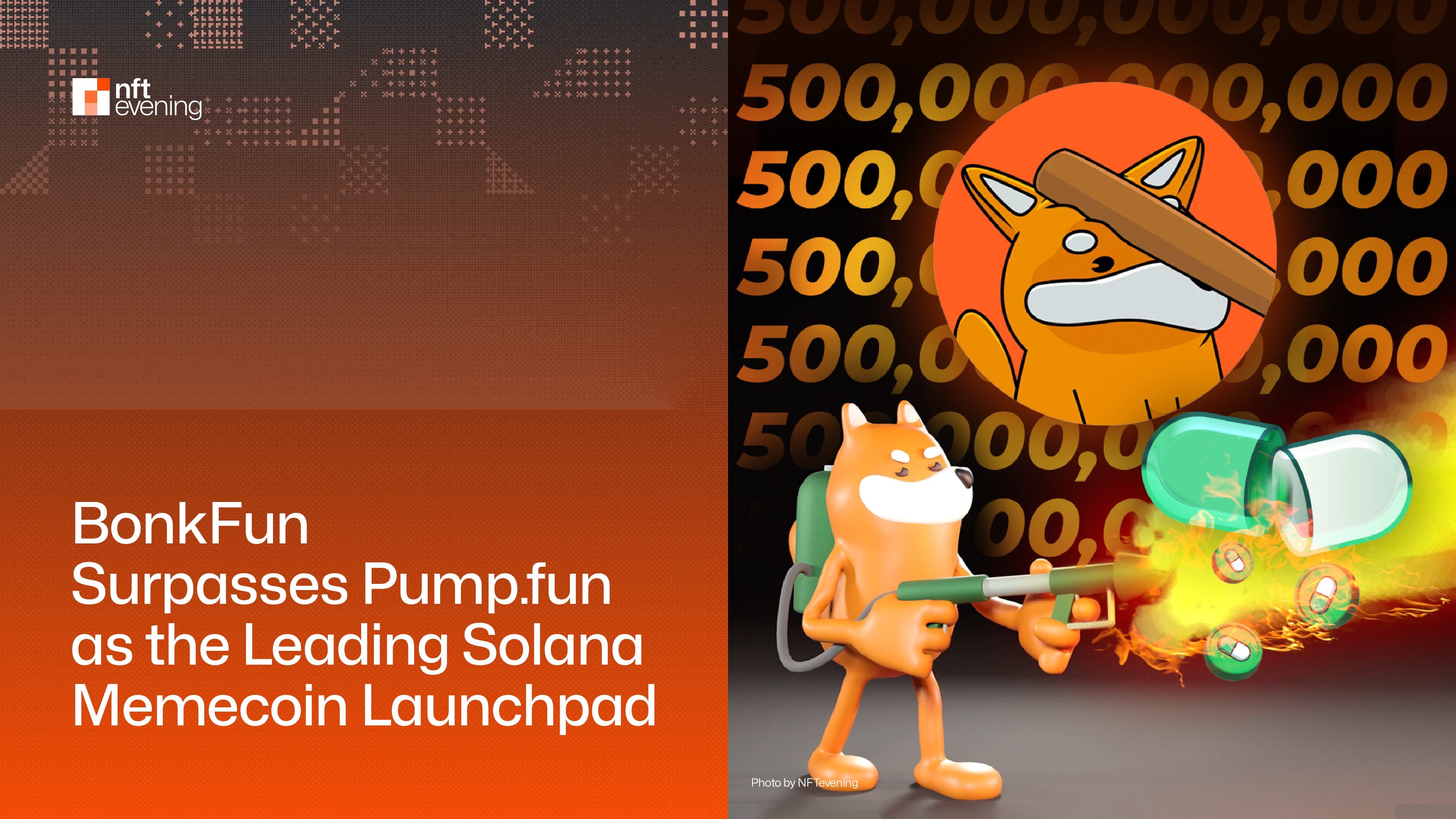
This is the wild west. Tokens in this tier are often minutes or hours old, launched on platforms like Pump.fun. The volatility is extreme, and the risk of a rug pull or immediate dump is near 100%.
Trading this tier requires specialized tools for real-time data and sniping capabilities. You're not investing; you're gambling on narrative speed. Most traders here use a small, dedicated portion of their portfolio they are willing to lose entirely. The potential for life-changing gains exists, but it is accompanied by the highest probability of total loss.

Tier Comparison
| Metric | Tier 1: Established | Tier 2: Emerging | Tier 3: Micro-Cap |
|---|---|---|---|
| Liquidity | Deep | Moderate | Thin |
| Volatility | Low-Medium | High | Extreme |
| Rug Pull Risk | Very Low | Medium | Very High |
| Typical Hold Time | Days to Weeks | Hours to Days | Minutes to Hours |
Understanding these tiers helps you allocate capital appropriately. Don't treat a Tier 3 gamble like a Tier 1 investment. Keep your exposure proportional to the risk level, and never bet more than you can afford to lose in the lower tiers.
Essential infrastructure and tools
Speed is the only edge that matters in Solana memecoin trading. When you are chasing a token that pumps 100% in ten minutes, a standard web interface is too slow. You need a stack built for execution speed, not just portfolio tracking. This means moving away from basic wallets and toward tools that offer direct RPC access, real-time data feeds, and hardware-level security.
Hardware and Execution Speed
Your physical setup dictates your reaction time. A mechanical keyboard with low actuation force allows for faster command entry when you are copying contract addresses or adjusting slippage settings. More importantly, you need a hardware wallet like a Trezor or Ledger for cold storage. Never keep significant profits in a hot wallet connected to random DEXs. Use your hardware wallet to sign transactions offline, then use a fast execution interface to broadcast them. This separation keeps your funds safe while allowing you to trade aggressively.


As an Amazon Associate, we may earn from qualifying purchases.
Data and Execution Interfaces
Software tools are your eyes and hands. You need a dedicated DEX aggregator or terminal that connects directly to Solana nodes. These tools bypass the lag of standard block explorers. Look for platforms that offer priority fee settings, allowing you to bribe validators to process your transaction faster than others. This is critical when liquidity is thin and slippage can wipe out your position instantly. Some traders use specialized bots that monitor the mempool for new token launches, executing buys in the same block as the liquidity add.

Monitoring and Alerts
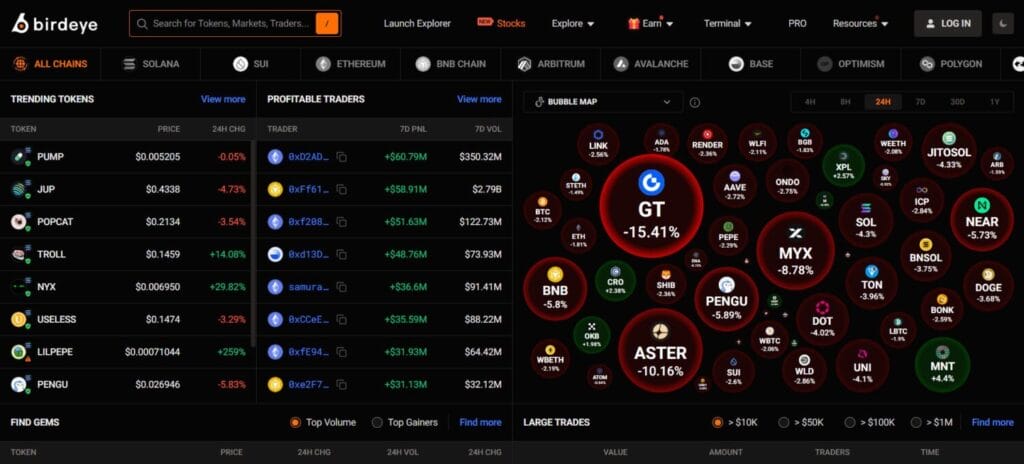
You cannot watch every chart manually. Set up real-time alerts using tools like DexScreener or Birdeye. Configure notifications for specific contract addresses or liquidity thresholds. When a new token launches, these alerts give you the first few seconds of awareness. Without this infrastructure, you are reacting to news after the price has already moved. Combine this with a reliable RPC provider to ensure your data feeds are never delayed. In this market, latency is the difference between a profit and a rug pull.
Execution Mechanics and Slippage
Memecoins on Solana don't just pump — they detonate. New token mints appear every thirty seconds, and liquidity can vanish before your transaction confirms. To navigate this, you need to understand the technical levers that determine whether your trade succeeds or fails. This is where the "degen" aspect of the strategy truly lives: in the precise configuration of your execution tools.
Priority Fees and Jito Bribes
Standard transaction fees on Solana are often insufficient during high-volume periods. To ensure your trade is processed quickly, you must attach a priority fee. This is a small additional payment to validators to prioritize your transaction in the block. For serious execution, many traders use Jito bundles, which allow you to bribe validators to include your transaction in a specific block, bypassing the public mempool and reducing the risk of front-running.
Managing Slippage Tolerance
Slippage is the difference between the expected price of a trade and the price at which the trade is executed. In the volatile world of memecoins, standard slippage settings (1-2%) will almost certainly fail. You often need to set slippage to 10% or higher to account for rapid price movements and low liquidity. However, this is a double-edged sword: while it ensures your buy goes through, it also increases the risk of buying at a significantly higher price than intended if the market moves against you.
Warning: High slippage settings (10%+) are necessary for volatile mints but increase the risk of buying at the top. Always adjust based on liquidity depth.
Using Sniper Bots
Manual trading is rarely fast enough for early-stage memecoin plays. Sniper bots automate the buying process, executing transactions the moment liquidity is added to a pool. These tools can scan for new mints and buy within the same block as the liquidity addition. While they offer speed advantages, they also come with risks, including potential rug pulls and higher gas costs. Use reputable bots and always verify the contract address before executing.
Risk management and exit planning
Trading Solana memecoins is less about predicting the future and more about managing chaos. The difference between a lucky trade and a sustainable strategy is a rigid exit plan. Without one, you are gambling, not investing. This section outlines a concrete framework for protecting your capital and locking in gains before the market turns.
1. Define your stop-loss before you buy
Volatility is the defining feature of memecoins. Prices can drop 90% in minutes. Before entering a position, decide the maximum percentage of your capital you are willing to lose. Set a stop-loss order or a strict mental limit. If the price hits that level, sell immediately. Do not hope for a rebound. Preserving capital is more important than catching every pump.
2. Scale out of positions systematically
Never wait for the absolute top. It is impossible to predict. Instead, sell portions of your holdings as the price rises. For example, sell 25% of your position at a 2x gain to recover your initial investment. Sell another 25% at 3x. Let the remaining chips ride with a trailing stop-loss. This approach ensures you lock in profits even if the coin crashes back to zero.
3. Use trailing stops for momentum trades
When a memecoin is in a strong upward trend, use a trailing stop-loss. This order automatically adjusts your exit price as the token rises. If the price drops by a specified percentage from its peak, the system sells. This allows you to capture large gains during parabolic runs while protecting against sudden reversals. Tools like Dextools or Birdeye often offer these features.
4. Avoid emotional attachment to your bags
Memecoins are driven by hype, not fundamentals. Once you buy, the narrative can change instantly. Do not fall in love with a token. Stick to your pre-defined exit rules. If the hype fades or the community moves on, sell. Emotional trading leads to holding losing positions for too long, turning small losses into catastrophic ones.
Decide the maximum percentage of your capital you are willing to lose. Set a stop-loss order or a strict mental limit. If the price hits that level, sell immediately.
Sell portions of your holdings as the price rises. Sell 25% at 2x to recover your investment, then another 25% at 3x. Let the rest ride with a trailing stop.
Adjust your exit price as the token rises. This captures large gains during parabolic runs while protecting against sudden reversals.
Stick to your pre-defined exit rules. If the hype fades, sell. Emotional trading leads to holding losing positions for too long.
No comments yet. Be the first to share your thoughts!