The solana memecoin degen limits to account for
Trading Solana memecoins is less about traditional investing and more about high-speed tactical execution. The "degen" approach accepts extreme volatility as the price of admission for asymmetric upside. You are not buying a company; you are betting on momentum, community sentiment, and liquidity depth. This mindset shift is the first and most critical constraint.
The primary advantage of Solana in this niche is speed. While Ethereum memecoins can stall due to high gas fees, Solana allows for rapid entry and exit strategies. You can react to social trends in seconds rather than minutes. However, this speed cuts both ways. Slippage can wipe out profits instantly if you are not using the right tools, and failed transactions are common during network congestion.
To navigate this environment, you need a specific toolkit. You must set up a self-custody wallet, fund it with SOL, and familiarize yourself with decentralized exchanges (DEXs) like Jupiter or Raydium. These platforms are your execution engines. Without them, you cannot access the alpha opportunities that define the Solana memecoin ecosystem. The infrastructure is simple, but the execution requires discipline and real-time awareness of market conditions.
Solana memecoin degen choices that change the plan
Trading Solana memecoins is a high-velocity environment where speed and liquidity dictate survival. The chain’s low fees and fast block times enable rapid entry and exit, but they also amplify the risks of slippage, front-running, and rug pulls. To navigate this PvP landscape, you must evaluate the concrete tradeoffs between accessibility, cost, and security.
Speed vs. Slippage
Solana’s throughput allows for near-instant settlements, which is critical for catching intraday momentum. However, high volatility often leads to significant slippage on decentralized exchanges (DEXs) like Raydium or Jupiter. A trade that looks profitable on a chart may result in a smaller gain—or a loss—once liquidity depth is factored in. Always check the pool’s liquidity before swapping large positions.
Cost vs. Convenience
While Solana transaction fees are fractions of a cent, the convenience of using user-friendly interfaces comes with a tradeoff: reliance on third-party aggregators. These tools simplify the process but may not display all on-chain risks, such as malicious token approvals. Understanding the underlying mechanics of a swap is essential to avoid losing funds to hidden contract vulnerabilities.
Liquidity vs. Volatility
Memecoins on Solana often experience extreme price swings driven by social sentiment and volume rather than fundamentals. High volume can provide exit opportunities, but it can also signal a pump-and-dump structure. Evaluating the market cap relative to liquidity is vital; coins with low market caps and thin liquidity are prone to rapid devaluation, making profit-taking strategies more important than holding.
| Factor | Speed | Cost | Risk |
|---|---|---|---|
| Solana DEXs | High (sub-second) | Very Low | High slippage |
| CEX Listings | Medium (minutes) | Standard fees | Lower volatility |
| OTC/Private | Low (manual) | Negotiable | Counterparty fraud |
The choice between trading on-chain and centralized exchanges (CEXs) highlights the core tension in Solana memecoin investing. On-chain trading offers immediate access to new launches but exposes you to smart contract risks and front-running. CEX listings provide deeper liquidity and better price discovery but often lag behind the initial on-chain momentum. Most successful degens use a hybrid approach, taking initial profits on-chain and moving the rest to a CEX for stability.
Choose the Next Step
Building a playbook for Solana memecoins requires more than just watching charts. You need a system that handles the speed of the network and the volatility of the asset. This section breaks down the essential infrastructure and tools to execute trades with precision.

Solflare is the industry standard for Solana trading. It offers built-in DEX aggregation, which automatically finds the best swap rates across different liquidity pools. This saves you from manually checking multiple exchanges during fast-moving market conditions.
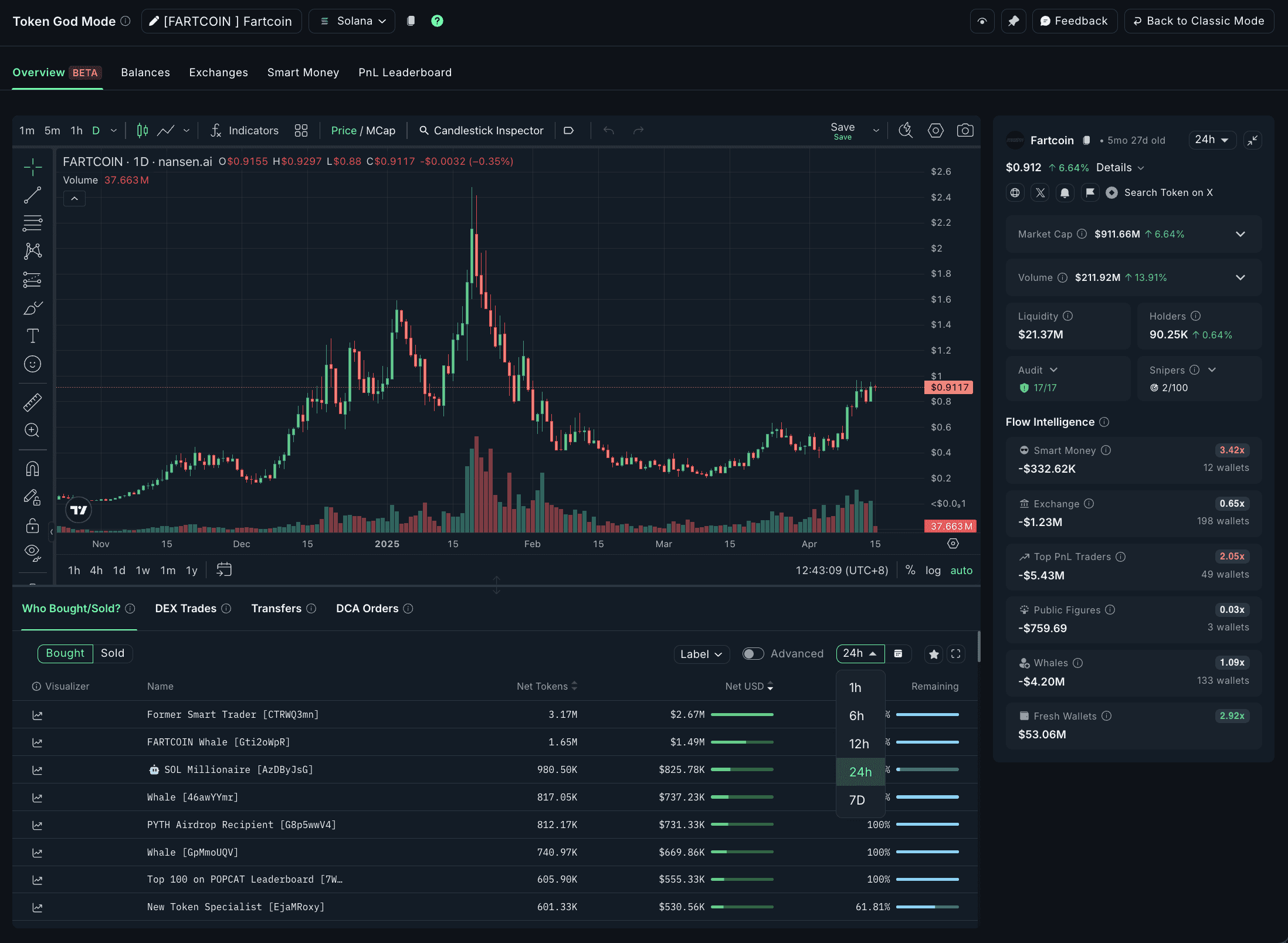
Memecoin scams often use similar names or logos. Always verify the contract address (CA) on official sources like Birdeye or DexScreener before swapping. A single typo can send your SOL to a honeypot contract that drains your funds.

Wallet interfaces are often too slow for high-frequency trading. Tools like Photon or BullX provide real-time order books, sniping capabilities, and one-click buys. These platforms reduce the lag between your decision and execution, which is critical in memecoin markets.
Solana fees are low, but network congestion can cause transaction failures. Set slippage tolerances based on the token’s volatility. For stable pairs, 0.5% is usually sufficient. For new launches, you may need 10-20% to ensure the transaction clears before the price moves.


As an Amazon Associate, we may earn from qualifying purchases.
| Tool | Execution Speed | Cost | Best For |
|---|---|---|---|
| Solflare | Standard | Free | Beginners |
| Photon | Instant | Subscription | Active Traders |
| BullX | High | Subscription | Sniping |
Spotting Weak Options and Misleading Claims
The Solana memecoin space moves fast, but speed shouldn't mean sloppy. Many newcomers lose capital not because the market is rigged, but because they trust weak options disguised as opportunities. A solid playbook starts with filtering out the noise before you ever click "Swap."
First, ignore courses or guides that promise "guaranteed" alpha. Trading is probabilistic, not deterministic. If a resource claims you can avoid all scams or grow small investments with zero risk, it’s selling a fantasy. Real education focuses on risk management, contract auditing, and understanding liquidity pools—not magic indicators.
Second, be wary of "beginner-friendly" tools that hide complexity. Just because a wallet or DEX interface is simple doesn’t mean it’s safe. Always verify the contract address on-chain. Scammers create look-alike tokens with similar names and logos. If you’re swapping on a DEX without checking the token’s liquidity lock or holder distribution, you’re gambling, not trading.
Finally, avoid following social media shills who post screenshots of massive gains without showing their entry price or risk. These are often paid promotions or exit liquidity plays. Stick to primary sources: on-chain data, verified contract addresses, and official documentation from projects you actually understand. If you can’t explain why a token has value, don’t buy it.
Solana memecoins degen: what to check next
Is trading Solana meme coins worth the risk?
It is a high-volatility game, not a passive investment. The market operates as a PvP environment where volume drives momentum and early entries often mean outsized returns or total losses. Success requires strict risk management: take profits quickly and avoid holding positions through sudden volume drops. If you cannot stomach seeing 50% of your capital vanish in minutes, stick to established assets.
What is the cheapest way to start trading?
Solana remains one of the most cost-effective chains for frequent trading due to sub-cent transaction fees. You need a self-custody wallet, funded with SOL. Use decentralized exchanges (DEXs) such as Jupiter or Raydium to swap tokens. Avoid centralized exchanges for micro-cap plays, as they rarely list new meme coins fast enough to capture the initial alpha.
How do I avoid getting rekt by scams?
Scams are rampant. Always verify the contract address from the project’s official Twitter or Telegram, never from a random search result. Check if liquidity is locked and if the mint authority is revoked. If a token has a market cap below $50,000, assume it is a honeypot unless you have personally audited the code. Never send SOL to a wallet address claiming to be "support."
Can I make money trading meme coins regularly?
Consistent profitability is rare and requires treating it like a professional trading desk. You need real-time tools to track whale wallets, monitor liquidity pools, and execute trades before slippage eats your margins. Most retail traders lose money because they chase pumps after the 100x has already happened. Focus on risk-reward ratios, not just potential upside.
No comments yet. Be the first to share your thoughts!