The Solana memecoin market dynamics
Trading Solana memecoins is a high-stakes, zero-sum game. The ecosystem operates as a PvP landscape where speed and volume are the only metrics that matter. New tokens don't just launch; they detonate, with new mints appearing every thirty seconds during peak activity. This velocity creates an environment where early entry is everything, and hesitation is a liability.
The infrastructure supports this chaos. Solana's low fees and fast swap times allow traders to enter and exit positions with minimal slippage, but they also lower the barrier to entry for scammers. The result is a flooded market where genuine opportunities are buried under a mountain of copycats and rug pulls. Understanding this dynamic is the first step in surviving it.
To survive, you need to look beyond the hype and focus on the underlying market mechanics. The price action of the broader Solana network often sets the tone for memecoin volatility. Tracking the baseline movement of SOL helps contextualize the extreme swings seen in smaller cap tokens.
Essential degen infrastructure stack
Trading memecoins on Solana is less like investing and more like operating a high-speed trading desk. The margin for error is slim, and the standard user experience of centralized exchanges is often too slow to catch the initial volatility. To participate safely and efficiently, you need a specialized stack of tools designed for speed, security, and on-chain transparency.
The Wallet: Phantom as Your Base
Your wallet is the foundation of your infrastructure. While there are several options, Phantom has established itself as the standard for Solana memecoin trading due to its robust integration with the Solana ecosystem and its built-in token swap features. It supports hardware wallet connectivity (like Ledger), which is non-negotiable for holding significant value.
When setting up, ensure you are using the official Phantom app and never share your seed phrase. The wallet’s interface allows you to add custom tokens, which is essential since many new memecoins do not appear in the default list. You will need to manually add the token contract address (mint) to see and trade these assets. For more detailed guidance on managing Solana memecoins, Phantom’s official starter guide is a reliable resource.
Trading Bots: Speed Over Simplicity
Manual swapping via Raydium or Jupiter can be too slow for high-volatility memecoin plays. This is where trading bots like Trojan or BonkBot come in. These tools integrate directly with your wallet and execute trades through private RPC nodes, bypassing the public mempool congestion that often causes failed transactions or slippage during pumps.
Trading bots offer features like auto-buy/sell, limit orders, and sniping capabilities. They are essential for catching the first few seconds of a new token launch. However, they introduce significant security risks. You must understand the permission models of the bots you use. Always revoke permissions when you are done trading and never connect your primary holding wallet to a bot; use a dedicated "burner" wallet for high-risk trades.
On-Chain Data: DexScreener and RugCheck
Before you trade, you must verify the token. DexScreener provides real-time charting and liquidity data for tokens that may not yet be listed on major aggregators. It is the primary tool for spotting new pairs and monitoring liquidity locks.
Equally important is security verification. Tools like RugCheck.xyz allow you to paste a token’s contract address to analyze its smart contract code. This helps identify red flags such as mint authority (the ability to create more tokens), freeze authority (the ability to freeze your holdings), or high tax rates. Never trade a memecoin without running it through these checks first.
Comparison of Infrastructure Tools
| Tool Category | Primary Example | Key Feature | Risk Level |
|---|---|---|---|
| Wallet | Phantom | Hardware support, native swaps | Low (if seed kept secure) |
| Trading Bot | Trojan / BonkBot | Private RPC, auto-buy | High (contract permissions) |
| Charting | DexScreener | Real-time pair data | Low |
| Security | RugCheck.xyz | Contract audit | Low |
Building this stack takes time, but it is the only way to control your exposure in the Solana memecoin landscape. The tools themselves are free or low-cost, but the knowledge required to use them safely is the real investment.
Hardware for Secure Custody
When you are holding significant positions in volatile assets like Solana memecoins, keeping funds on an exchange or in a hot wallet is a gamble you should not take. A hardware wallet acts as an offline vault, ensuring your private keys never touch an internet-connected device. This separation is the only reliable defense against exchange hacks, phishing sites, and smart contract exploits that plague the Solana ecosystem.
Ledger and Trezor: The Standard Options
Ledger and Trezor are the most established names in hardware security. Both support Solana natively, allowing you to manage SOL and SPL tokens without exposing your seed phrase. Ledger’s Ledger Live and Trezor Suite provide user-friendly interfaces for signing transactions. For most users, these devices offer a balance of ease of use and robust security. They are compatible with major Solana wallets like Phantom and Solflare, making them a practical choice for daily management of larger holdings.
Tangem: The Card Alternative
Tangem offers a different form factor: a set of NFC-enabled cards that look like credit cards. There is no cable or screen to break. You simply tap the card against your phone to sign transactions. This design is durable and less prone to physical damage than traditional devices. It is an excellent option for users who want a sleek, travel-friendly solution for securing their Solana assets without carrying a bulky dongle.
Security Best Practices
No hardware is immune to risk if the user makes mistakes. Always buy directly from the manufacturer to avoid supply chain tampering. Verify the device’s integrity upon arrival by checking for security seals and ensuring the seed phrase is generated on-device, not printed on a piece of paper beforehand. Never share your 24-word recovery phrase with anyone, including support staff. Store your seed phrase in a fireproof safe or a secure location away from digital devices.

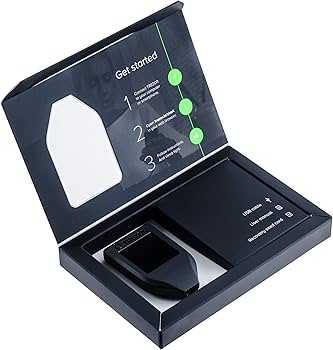

As an Amazon Associate, we may earn from qualifying purchases.
Execution Strategy and Risk Management
Trading Solana memecoins is a high-stakes game of poker where the cards are shuffled by code and the other players are bots. The market is effectively PvP (player versus player). Your goal isn't to hold a token forever; it is to identify momentum, enter early, and exit before the liquidity dries up. Holding volatile assets long-term in this sector is a fast track to zero.
To survive, you need a rigid execution plan. This isn't about gut feelings; it's about mechanical discipline. You must define your entry, your exit targets, and your stop-losses before you sign the transaction. If you don't have a plan, you are the liquidity for someone who does.
1. Verify Liquidity and Contract Safety
Before you send a single SOL, you must verify that the token isn't a rug pull. On Solana, you can check if the liquidity pool (LP) tokens are burned or locked. If they aren't, the developer can pull all the money out at any second. Use tools like Solscan or DexScreener to inspect the contract address. Look for "LP Burned" or a lock duration that extends far into the future. If the contract allows the owner to mint more tokens or change tax rates, skip it. There are thousands of new pairs every day; there is no need to gamble on a suspicious one.
2. Scale Into Positions
Never go all-in on a single memecoin trade. The volatility is extreme, and slippage can eat your profits instantly. Instead, scale in. Buy a small initial position to get your foot in the door. If the price moves in your favor and volume increases, add to your position. This approach limits your downside if the trade fails immediately while allowing you to capitalize on genuine momentum. Treat your capital like ammunition; don't fire it all at once.
3. Set Hard Take-Profit Levels
Memecoins can pump 1000% in minutes, but they can also drop 90% in seconds. Greed is the enemy. Set hard take-profit (TP) levels based on your risk tolerance. A common strategy is to sell 50% of your position when the token doubles in value. This secures your initial investment and lets the rest ride "risk-free." If you don't sell, you are just hoping someone else will buy at a higher price. In a PvP market, the last person holding the bag usually loses everything.
4. Monitor Volume and Social Sentiment
Price alone doesn't tell the whole story. Volume is your best friend. A price pump with low volume is likely a trap. Look for sustained buying pressure across multiple blocks. Additionally, monitor social channels like Twitter and Telegram. Is the community growing organically, or is it filled with bots? Real community engagement often precedes significant price action. If the conversation dies down, the price will likely follow.
5. Exit Quickly When Momentum Fades
The hardest part of trading memecoins is knowing when to leave. If the volume starts to dry up, or if large wallets (whales) start selling, exit immediately. Don't wait for a specific price target if the market structure is breaking. It is better to leave 20% of potential profit on the table than to lose 80% of your capital. In this arena, survival is the only metric that matters over the long run.

Before swapping, run through this quick mental checklist to avoid obvious traps:
- Liquidity Locked/Burned: Check DexScreener or Solscan. If LP tokens are unlocked, the risk is extreme.
- Mint Authority Revoked: Ensure the developer cannot mint new tokens, which would dilute your holding.
- Top Holders: Check if one or two wallets hold more than 10-15% of the supply. High concentration means high sell risk.
- Social Proof: Is there active, real discussion on Twitter or Telegram? Avoid tokens with no online presence.
6. Manage Your Emotional Capital
Finally, recognize that trading memecoins is emotionally draining. You will lose money. You will see your portfolio drop 50% in an hour. The key is to detach your self-worth from your PnL. Set daily loss limits. If you hit your maximum loss for the day, stop trading. Walk away. Chasing losses is the fastest way to blow up your account. Treat this like a business, not a casino. Discipline beats luck every time.
Market research and alpha sources
Finding alpha on Solana requires looking where the liquidity actually moves, not just scrolling through trending hashtags. The volume here is deafening; new tokens mint every thirty seconds, creating a signal-to-noise ratio that makes manual tracking impossible. You need infrastructure that filters the noise before it hits your wallet.
Start with on-chain data. Tools like DexScreener or Birdeye let you track real-time volume, liquidity depth, and holder distribution. These metrics reveal whether a coin has genuine traction or is just a hollow pump. If a token has zero liquidity lock and a single holder controlling 40% of the supply, no amount of Twitter hype will save it. Cross-reference these charts with transaction history to spot whale accumulation before the public notices.
For sentiment, shift from broad social feeds to specific community channels. Telegram groups and Discord servers associated with active projects offer the fastest word on developments, but they are also rife with paid shills. Use these spaces to gauge community strength, not to make buy decisions. If the only activity in a group is bots spamming "to the moon," treat it as a red flag, not a green light.
Common questions about Solana memecoins
How do I buy a memecoin on Solana?
To trade effectively, you need a wallet that supports Solana, such as Solflare or Phantom. You’ll need SOL to cover the transaction fees and the initial swap. Most traders use decentralized exchanges like Jupiter or Raydium to swap SOL for the target token. Always double-check the contract address to avoid scams, as there are no refunds for sending funds to the wrong wallet.
Could Solana hit $10,000?
While Solana has shown strong growth, a $10,000 price point is considered highly unlikely by most analysts. Such a valuation would require a market capitalization that exceeds many of the world's largest companies, which doesn't align with current adoption metrics or historical market cycles. Focus on the utility and network activity rather than unrealistic price targets.
No comments yet. Be the first to share your thoughts!