Why Solana dominates meme trading
Solana isn't just another blockchain for meme coins; it is the primary venue for high-frequency trading in this sector. The structural advantages of speed and low cost create an environment where traders can react to market movements in milliseconds, a necessity when chasing volatile assets.
The economics of trading on Solana are fundamentally different from Ethereum. Transaction fees are fractions of a cent, allowing traders to execute multiple swaps without the prohibitive gas costs that plague other networks. This low barrier to entry encourages high-volume activity, where small gains are compounded through rapid turnover.
This infrastructure supports the "degen" approach by minimizing friction. Traders can enter and exit positions quickly, managing risk through precise timing rather than holding through long periods of uncertainty. The network's throughput ensures that trades are confirmed almost instantly, reducing the risk of slippage during volatile price swings.
Essential tools for spotting new launches
Finding a token before it pumps is less about luck and more about having the right radar. Solana’s memecoin market moves at the speed of light, with new contracts minted every few seconds. To survive the noise, you need real-time data platforms and a disciplined approach to social signals.
The two non-negotiable tools for early detection are Birdeye and DexScreener. Birdeye offers deep liquidity tracking and real-time launch data, making it ideal for spotting momentum shifts. DexScreener provides a cleaner, faster interface for viewing charts and token activity, which is crucial when you need to make split-second decisions. While both are powerful, they serve slightly different purposes in your workflow.
| Feature | Birdeye | DexScreener |
|---|---|---|
| Primary Strength | Deep liquidity & launch data | Fast charting & token activity |
| Interface | Data-dense, feature-rich | Clean, minimalist, fast |
| Best For | Tracking new mints & volume | Quick chart analysis |
Beyond on-chain data, Crypto Twitter remains the fastest signal for emerging trends. The ecosystem is chaotic, but it is often the first place to spot viral narratives before they appear on charting platforms. However, social signals are just the entry point; always verify contract safety and liquidity depth on Birdeye or DexScreener before committing capital. The stakes are high, and speed without verification is just gambling.
Execution infrastructure and trading bots
Manual trading on Solana is rarely fast enough to compete in the memecoin sector. By the time you click "Confirm" in a standard wallet interface, the price has likely already shifted. Automated execution tools like Trojan and BonkBot are no longer optional luxuries; they are the primary infrastructure for serious traders. These bots connect directly to your wallet, allowing you to snipe new liquidity pools and manage positions with millisecond precision.
The technical edge here comes down to latency and control. Standard decentralized exchanges (DEXs) route trades through public RPC nodes, which can be slow and prone to front-running. Trading bots often utilize private RPC endpoints or direct node connections, bypassing the congestion that causes failed transactions during high volatility. This speed is critical when trying to enter a trade before a token’s market cap spikes, or exiting before a rug pull drains the liquidity pool.
Beyond speed, these tools offer granular risk management features that standard interfaces lack. You can set auto-take-profit (TTP) and trailing stop-loss (TSL) orders that execute automatically, removing the emotional hesitation that often leads to losses. For example, you might configure the bot to sell 50% of your position once the token doubles in value, securing your initial investment while letting the rest ride. This level of automation is essential for managing the extreme volatility inherent in this market.
Using these tools requires a shift in mindset. You are no longer just buying a token; you are managing a high-frequency trading operation. While the barrier to entry is lower than coding your own bot, the stakes remain high. Always start with small amounts to test the bot’s configuration, ensuring your slippage tolerance and gas fees are set correctly for the current network conditions. The goal is to let the code handle the speed, so you can focus on the strategy.
Risk management for high-volatility assets
Solana memecoins move fast, and without a plan, they can drain your wallet just as quickly. Treating these trades like a casino visit is a recipe for disaster. You need a structured approach to capital preservation that separates your disposable "degen" funds from your core portfolio. This section outlines the concrete steps to manage volatility, size your positions correctly, and identify when to walk away.
Never allocate more than 1-2% of your total trading capital to a single memecoin trade. These assets are highly speculative; a 90% drop is common within hours. By limiting exposure, you ensure that one bad trade doesn't wipe out your account. Treat every trade as a loss until proven otherwise.

Memecoins often spike 10x or more, but they also crash just as hard. Set automated sell orders at predetermined intervals (e.g., sell 25% at 2x, 25% at 5x). This locks in profits and removes emotional decision-making. Greed is the primary cause of lost gains in this space; automation keeps you disciplined.
Before swapping any SOL, verify the contract's safety. Check if liquidity is locked, if the mint authority is revoked, and if the top holders control a disproportionate share of the supply. Tools like RugCheck or DexScreener can help, but manual verification is essential. A quick scan can save you from a rug pull.

Watch for sudden liquidity removals, massive sell-offs by top wallets, or a sudden drop in volume. If a project's social media goes silent or the team changes their name, exit immediately. These are classic signs of a malicious exit. Don't wait for confirmation; act on the first warning sign.
After each trade, review what went right or wrong. Did you stick to your position size? Did you exit at your target? Keep a simple log of your trades to identify patterns in your behavior. This feedback loop is crucial for long-term survival in the high-stakes memecoin market.
Hardware wallets for secure storage
When a Solana memecoin position turns into a life-changing gain, leaving those assets on an exchange or in a hot wallet is a gamble you shouldn't take. Software wallets are connected to the internet, making them vulnerable to phishing, malware, and exchange insolvency. A hardware wallet keeps your private keys offline, ensuring that even if your computer is compromised, your funds remain safe.
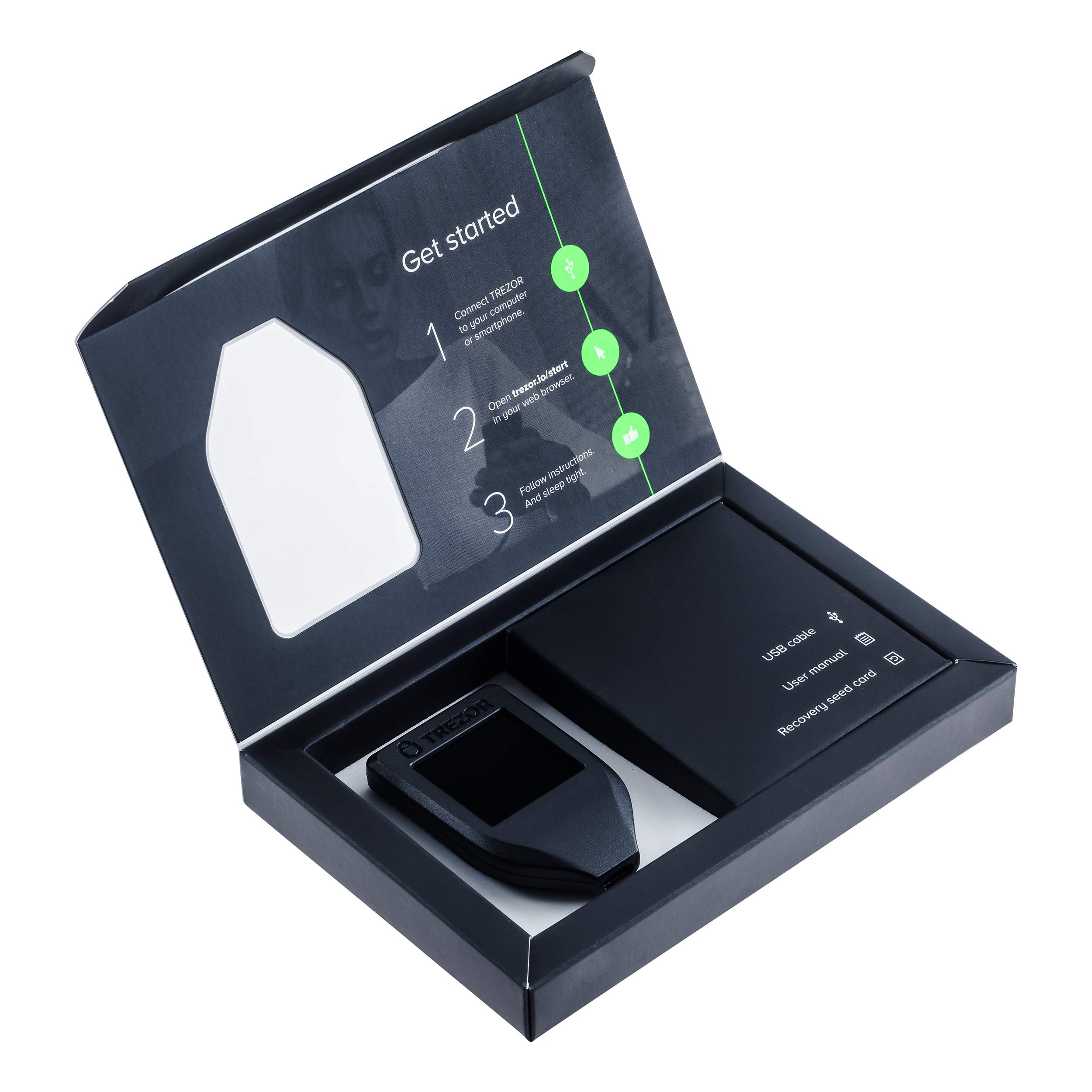
For Solana specifically, you need a device with native support for the SPL token standard. Ledger and Trezor are the industry leaders, but compatibility varies. Ledger has added native Solana support, allowing you to manage SOL and SPL tokens directly through the Ledger Live app. Trezor models like the Model T also support Solana, though the interface can be less intuitive for managing a large volume of memecoins.
The setup process is straightforward but requires discipline. You will generate a 12 or 24-word recovery phrase on the device itself. Never type this phrase into a computer or phone. If you lose access to your device, this phrase is the only way to recover your assets. Store it in a fireproof safe or a bank deposit box. If you lose the phrase and the device, your funds are gone forever.

As an Amazon Associate, we may earn from qualifying purchases.
Frequently asked questions about Solana memes
Navigating the Solana memecoin space requires more than just intuition; it demands a grasp of the specific tools and on-chain mechanics that define this high-stakes environment. Below are the most common questions regarding entry methods and token identification.
No comments yet. Be the first to share your thoughts!