Why Solana dominates meme trading
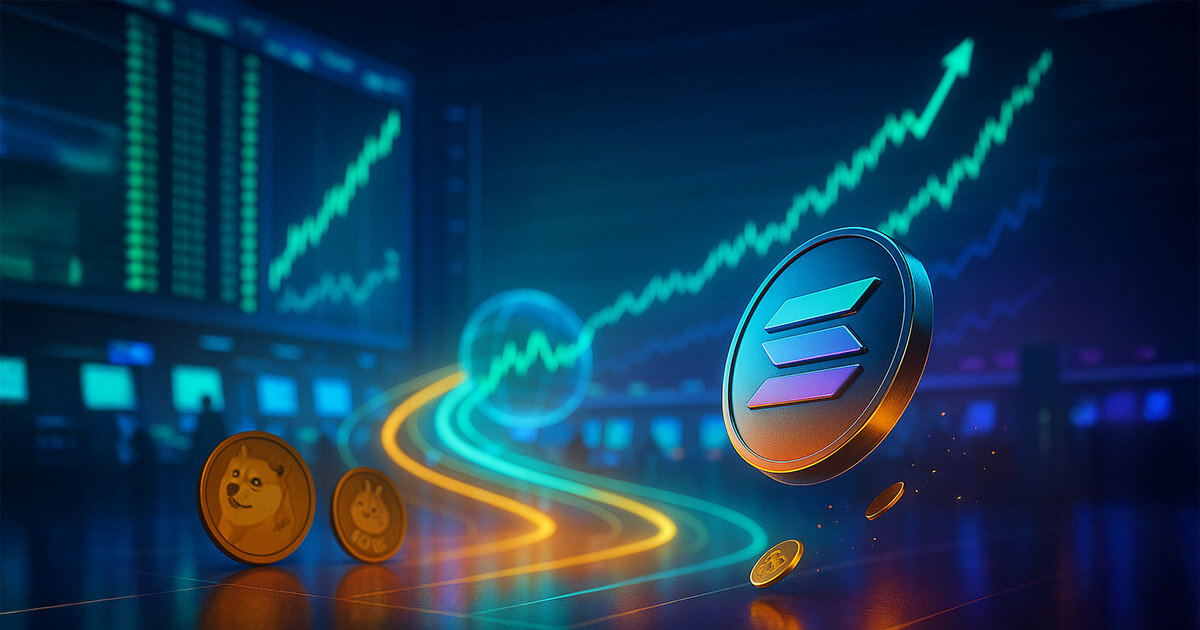
Solana has become the primary venue for memecoin activity because it offers the speed and low cost that speculative trading demands. In the world of meme coins, timing is everything. A transaction that takes ten seconds on Ethereum is an eternity on Solana, where blocks finalize in roughly 400 milliseconds. This speed allows traders to react to market movements instantly, a necessity when assets can double or vanish in minutes.
The cost structure is equally critical. Meme trading often involves frequent entries and exits, sometimes with small capital allocations. High gas fees on other chains can eat up profits or make small trades uneconomical. Solana’s fees are typically fractions of a cent, enabling a level of transactional fluidity that supports the fast-paced "degen" culture. New tokens can be minted and traded almost as quickly as they are created, creating a high-velocity ecosystem.
This environment attracts a specific type of trader who prioritizes speed and accessibility. While the potential for rapid gains is high, the infrastructure also facilitates scams and volatility. Understanding this technical advantage is the first step in navigating the space safely. The following sections break down the tools and strategies needed to operate effectively within this fast-moving market.
Essential tools for finding alpha
Trading Solana memecoins is less like investing and more like high-frequency day trading in a chaotic marketplace. Tokens detonate with new mints appearing every 30 seconds, meaning manual execution is simply too slow to capture early alpha. You need a specialized software stack that prioritizes speed and data visibility above all else.
The foundation of this stack is a self-custody wallet paired with a dedicated trading bot. While standard wallets like Phantom work for long-term holding, they lack the transaction priority needed for memecoin flips. Tools like Trojan Bot or Photon integrate directly with your wallet, allowing you to set auto-buy parameters, set stop-losses, and execute trades with a single click. This infrastructure is non-negotiable for navigating the volatility of the Solana ecosystem.
To find these tokens before they hit major aggregators, you need real-time scanners. Platforms like DexScreener and Dextools provide live charts and liquidity data that standard exchanges ignore. These tools allow you to filter for new pairs, track wallet movements, and identify liquidity additions instantly. Without this visibility, you are trading blind.
The difference between a successful trade and a rug pull often comes down to the tools you use to verify a contract. Scanners help you spot honeypots and check liquidity locks, while bots ensure you can exit a position before the market crashes. Building this toolkit is the first step in operating effectively in this high-speed environment.
| Tool Type | Primary Use | Key Feature |
|---|---|---|
| Trading Bots | Execution Speed | Auto-buy/sell, sniping capabilities |
| DexScreener | Real-time Charts | Live pair tracking, low latency |
| Dextools | Liquidity Data | Token verification, holder analytics |
| Solscan | On-chain Verification | Wallet tracking, contract audit |
Analyzing token infrastructure
Before you swap, you need to know if the contract is a loaded gun or a paperweight. On Solana, anyone can deploy a token in seconds, which means the difference between a legitimate community project and a quick rug pull often comes down to a few lines of code. You aren't just buying a meme; you're buying into a specific technical setup. If that setup is flawed, your investment goes to zero.
We are going to walk through the technical audit process step-by-step. This isn't about financial advice; it's about reading the blueprint so you don't get burned.
Mint authority is the "god mode" switch. If it is enabled, the creator can mint infinite new tokens at any time, effectively diluting your holdings to nothing. You want to see this authority revoked or burned. Use tools like Solscan or RugCheck to verify that the mint authority is disabled. If it's still active, walk away.

Liquidity is the fuel that keeps the price moving. If the liquidity pool (LP) tokens are not locked or burned, the developer can pull all the money out whenever they want. Look for locks on platforms like Team.Finance or PinkSale. A locked LP for at least 30-90 days is the bare minimum for any serious project. If there is no lock, the risk is extreme.
Technical checks don't exist in a vacuum. Look at the top 10 holders. If one wallet holds more than 5-10% of the supply (excluding the liquidity pool), that's a red flag. They can crash the price with a single sell. Also, check the socials. A real project has an active community, not just a Telegram group filled with bots. Real engagement matters more than follower count.
Understanding these technical fundamentals separates the careful degens from the reckless gamblers. You don't need to be a developer to read these signals, but you do need to be diligent. The market is fast, but your due diligence should be faster.
Risk management for degen plays
Trading Solana memecoins is less like investing and more like playing high-stakes poker against a room full of cheaters. The market is pure PvP, where liquidity can vanish in a single block and rugs are a daily occurrence. To survive long enough to hit a winner, you must treat every trade with the discipline of a professional trader, not the hopefulness of a gambler.
The first line of defense is position sizing. Never allocate capital you cannot afford to set on fire. A common degen strategy is the "1% rule," where you risk no more than 1% of your total portfolio on any single speculative play. This ensures that even if the token goes to zero—which happens more often than not—you remain in the game. If you are swinging with 10% or more of your stack on a single meme coin, you are not trading; you are gambling, and the house always wins.
Exit timing is equally critical. The hardest part of degen trading is taking profits when the chart is green. Greed is the primary reason traders get rekt. Set clear targets before you buy. If a token doubles, sell half your position to recover your initial investment. Let the remaining "moon bag" ride risk-free. Do not wait for the all-time high; by the time you see it on your screen, the liquidity is likely already draining. Volume is your friend, but only until it isn't. Watch for sharp drops in volume accompanied by price stagnation—that is your signal to leave.
Finally, use tools to enforce your discipline. Set stop-losses if the platform allows, but remember that in memecoins, slippage can trigger you out before the dump even begins. More importantly, verify the mint authority and liquidity lock before you enter. A pre-trade checklist is your best friend: check liquidity, verify mint authority, set stop-loss, and size position correctly. Without these checks, you are just donating your SOL to someone else's rug.
-
Check liquidity depth and lock status
-
Verify mint authority is revoked or renounced
-
Set a hard stop-loss or take-profit level
-
Size position to max 1-2% of portfolio
Top Solana meme coins to watch
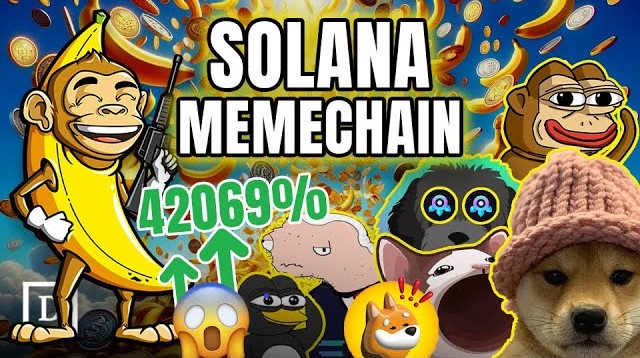
The Solana meme coin ecosystem moves at breakneck speed. New tokens mint every thirty seconds, creating a landscape where only the most established names survive the noise. While countless projects fade into irrelevance, a few leaders have cemented their status as cultural fixtures within the degen community.
BONK and Dogwifhat (WIF) remain the dominant forces. BONK was the first major community-driven token to gain traction on Solana, while WIF capitalized on the "dog wif hat" trend to become a market benchmark. Their liquidity depth allows for larger trades with less slippage compared to newer entries.
Emerging contenders like Popcat (POPCAT) and Pudgy Penguins (PENGU) are gaining ground by leveraging distinct internet subcultures. These tokens often see sharp, volatile rallies as traders chase the next viral moment. Tracking their volume spikes can provide early signals of shifting market sentiment.
Secure hardware for trading
When you are trading high-risk assets like Solana memecoins, your software wallet is only as safe as the device it runs on. If your computer gets infected with malware, a hot wallet can be drained in seconds. To protect your private keys, you need a physical device that signs transactions offline.
Think of a hardware wallet as a vault that never leaves your pocket. It keeps your keys isolated from the internet, so even if your main computer is compromised, the attacker cannot steal your funds. This is the single most important step for any serious trader.
We recommend sticking to established brands like Ledger or Trezor. These devices have been battle-tested against various attack vectors and offer robust support for Solana tokens. Avoid obscure, "no-name" hardware wallets that promise exotic features; the security of your entire portfolio depends on the integrity of the firmware and supply chain.
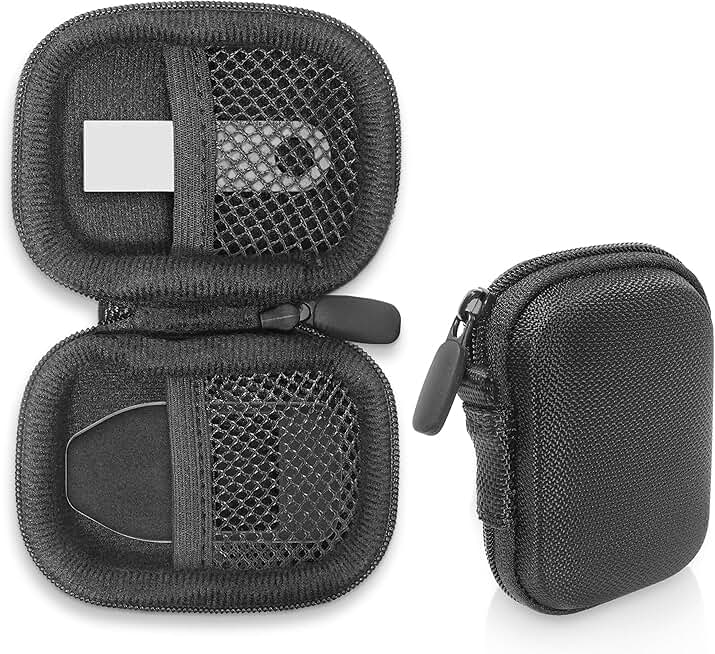

As an Amazon Associate, we may earn from qualifying purchases.
Common questions about Solana degen trading
Trading on Solana moves fast, and the jargon can get heavy. Here are the answers to the most frequent questions we get about the ecosystem, the tokens, and the tools you actually need to survive.
No comments yet. Be the first to share your thoughts!